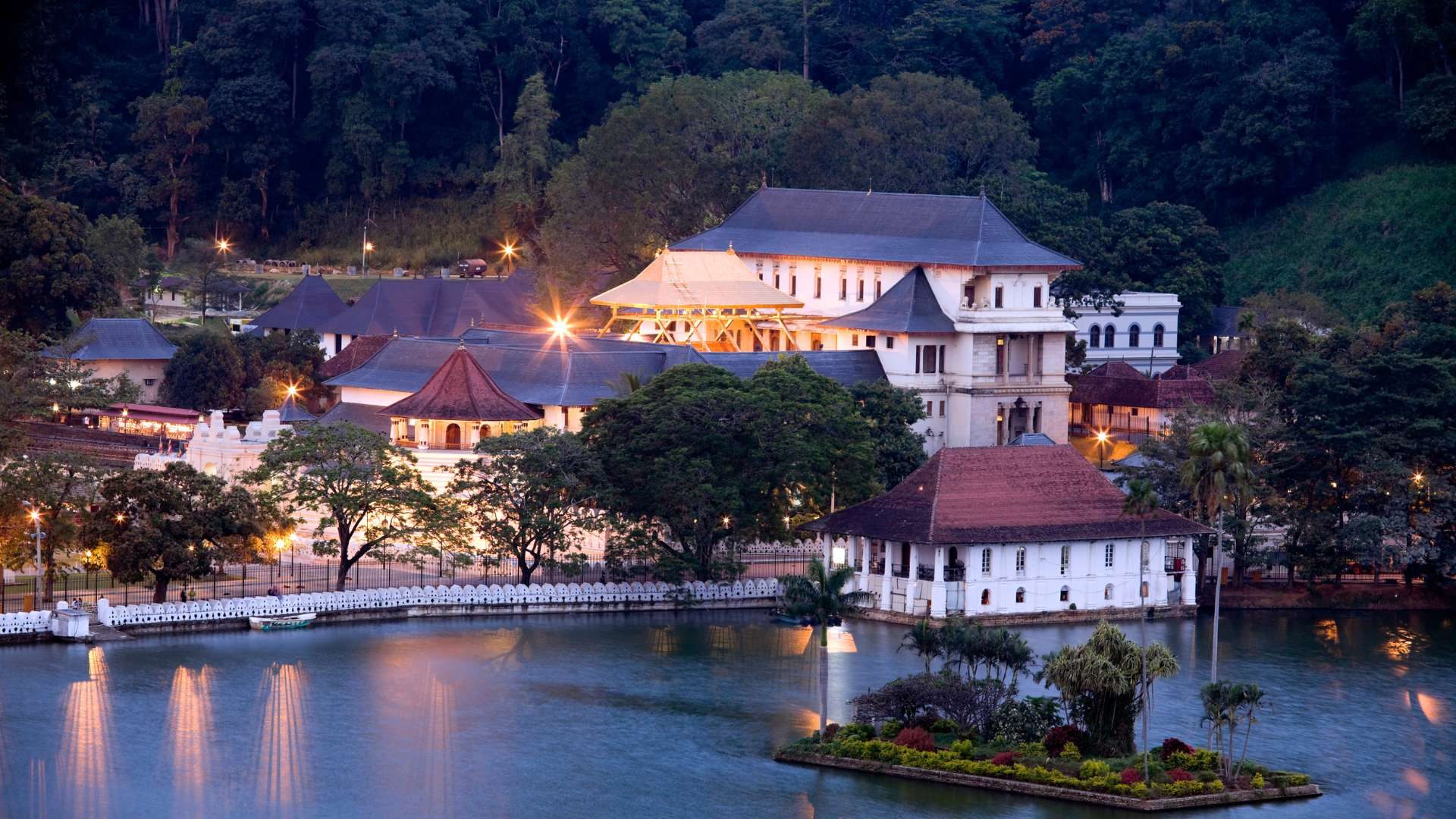
As evening settles over Kandy, the beat of drums rolls out across the lake and worshippers in white file through the gates carrying lotus flowers and jasmine. The Temple of the Tooth in Kandy, known in Sinhala as Sri Dalada Maligawa, houses the most revered relic in the Buddhist world outside India, and for many travellers witnessing a ceremony here is one of the most moving moments of a journey through Sri Lanka.
Set on the shore of Kandy Lake and surrounded by forested hills, the temple forms the heart of the Sacred City of Kandy, a UNESCO World Heritage Site. It is both a working place of worship and a window onto the island's royal past, since Kandy was the last capital of the Sinhalese kings before the British took control in 1815.
The Story of the Sacred Tooth Relic
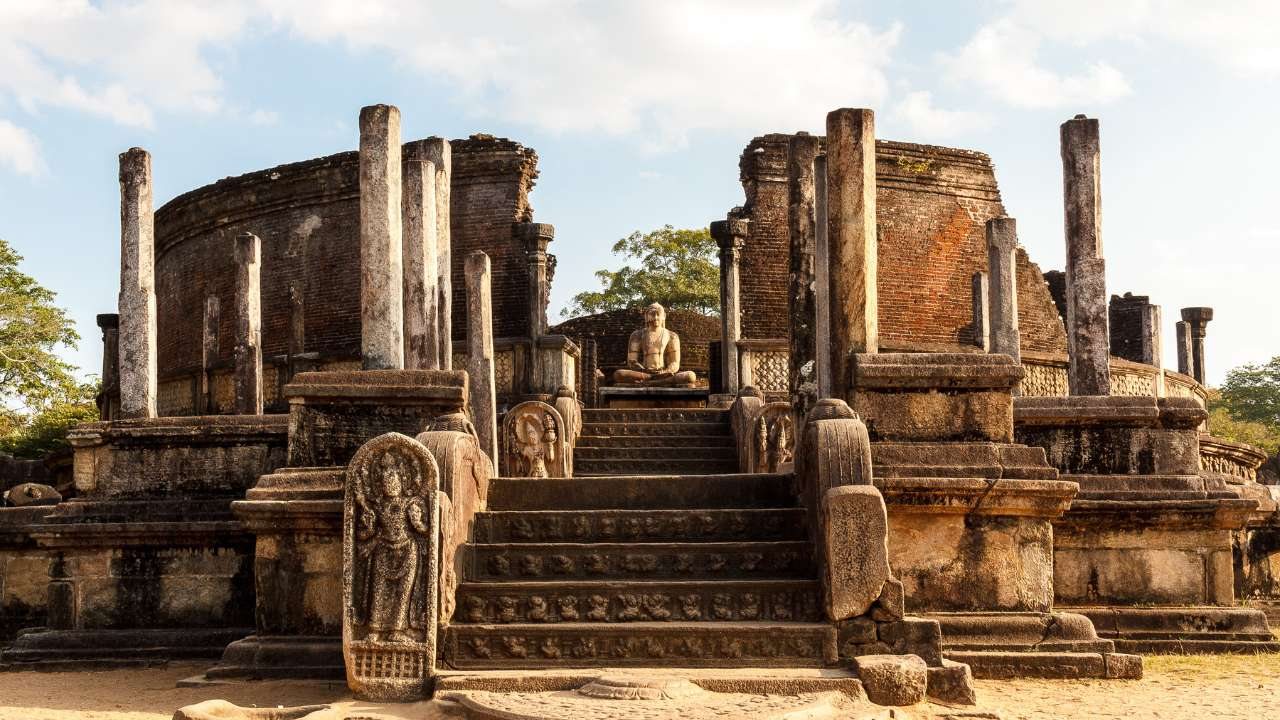
According to tradition, the relic is a tooth of the Buddha, brought to Sri Lanka in the 4th century AD by Princess Hemamala, who is said to have hidden it in her hair to carry it safely from the kingdom of Kalinga in India. Over the centuries the relic became a symbol of the right to rule, and it moved with the royal court from capital to capital, from Anuradhapura to Polonnaruwa and eventually to Kandy. Whoever held the relic was seen as the island's legitimate sovereign, which is why it has always been guarded so carefully.
Exploring the Temple Complex
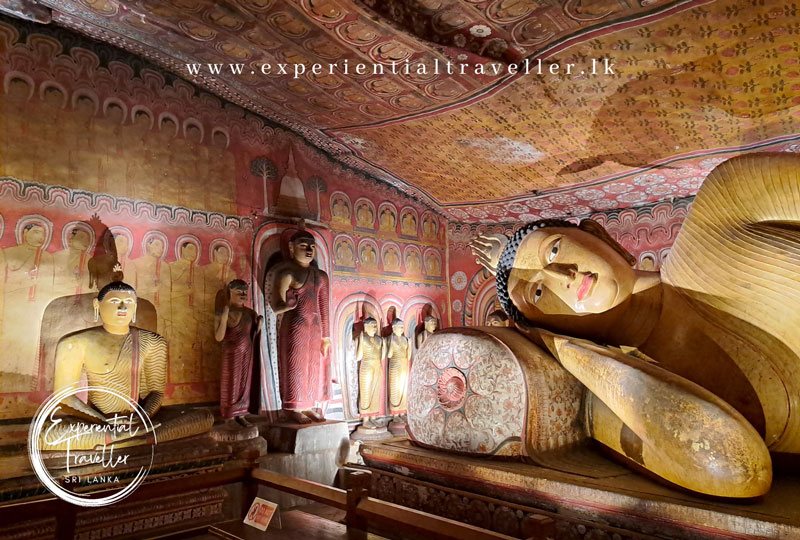
The temple is a cluster of buildings rather than a single shrine. The approach leads past a moat and a graceful octagonal pavilion, the Pattirippuwa, into halls decorated with carved wooden pillars, ivory inlay and painted ceilings. The relic itself is never displayed. It rests within a series of nested golden caskets in an inner chamber on the upper floor, glimpsed only through the doors when they are opened during ceremonies.
Beyond the main shrine, look for the museums within the complex, the hall of Buddha images gifted from Buddhist countries across Asia, and the audience hall of the old royal palace nearby, where the Kandyan kings once held court.
The Daily Puja Ceremonies
Rituals take place several times a day, including in the morning and the evening, accompanied by the thunder of traditional drums and the sound of horns. The evening ceremony is the most atmospheric, when the upper chamber doors open and a steady stream of devotees files past to offer flowers and prayers. Ceremony times can vary, so check current timings locally before you go, and arrive a little early to find a quiet place to stand.
The Esala Perahera
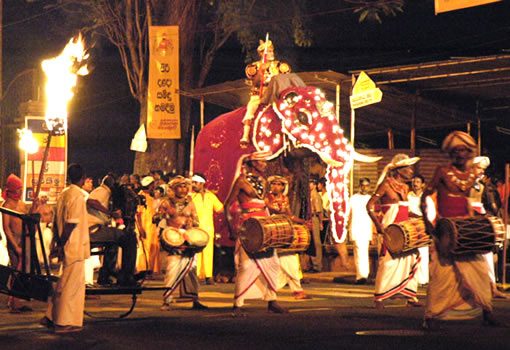
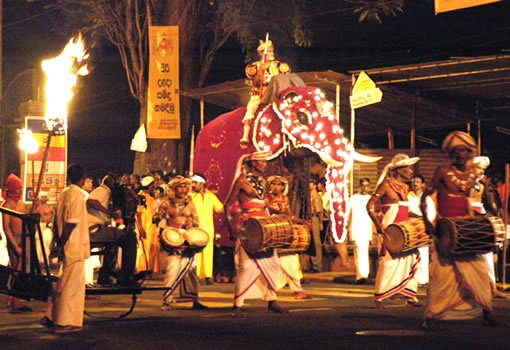
Kandy is at its most spectacular during the Esala Perahera, one of Asia's great religious festivals, held annually around July or August. Its exact dates vary each year with the lunar calendar, and the celebrations build over roughly ten nights towards the Esala full moon.
Each night, processions wind through the streets with hundreds of drummers, Kandyan dancers, fire performers, whip crackers and torch bearers, alongside elephants draped in glittering, illuminated cloth. The highlight is the ceremonial tusker carrying a replica casket of the sacred relic, a sight that draws huge crowds from across the island. If you plan to attend, book accommodation well in advance, as Kandy fills up quickly during the festival.
Temple of the Tooth Kandy Etiquette and Tips
The Temple of the Tooth in Kandy is an active and deeply sacred place, so a respectful approach is essential. Keep these tips in mind.
- Dress Modestly: Cover your shoulders and knees, and consider wearing white or light colours as many worshippers do.
- Remove Your Shoes: Shoes are left outside at a designated area, so wear sandals that are easy to slip on and off.
- Speak Softly: Keep voices low inside the shrine rooms and move calmly with the flow of worshippers.
- Photograph With Care: Never pose with your back to a Buddha image, and follow any restrictions on photography.
- Check Before You Go: Fees, ceremony times and security arrangements change, so check current details before you visit.
- Allow Extra Time: Security checks and crowds can slow entry, especially on full moon Poya days and during festivals.
Around Kandy Lake and Beyond
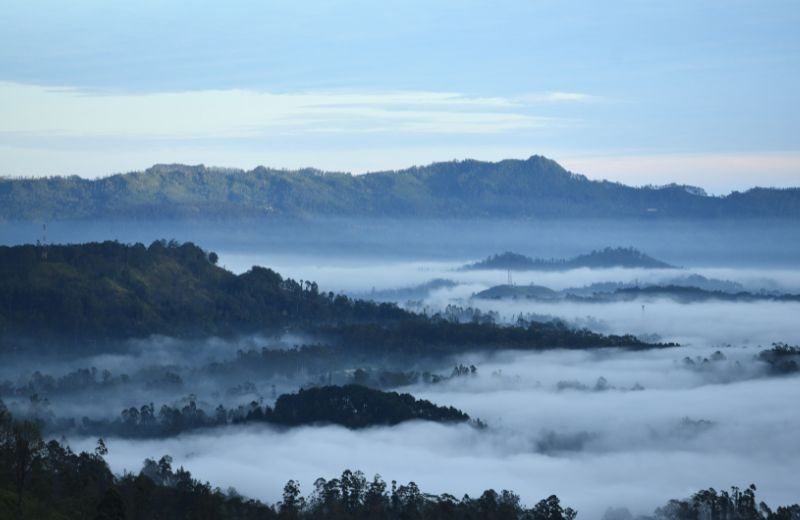
The lake that frames the temple was created in the early 19th century by Sri Vikrama Rajasinha, the last king of Kandy, and a stroll along its shaded banks is a pleasant way to begin or end a visit. Beyond the city centre, the Royal Botanical Gardens at Peradeniya are a peaceful escape, famous for their orchids, spice collections and avenues of towering palms. The hills around Kandy are also dotted with ancient temples and viewpoints, and the city makes a natural gateway to the tea country and the Knuckles range.
When to Visit Kandy
Kandy sits in the hill country, where the climate is milder than on the coast. The south-west monsoon, roughly May to September, can bring rain to the hills, while the north-east monsoon from around October or November to February or March also affects the region at times, with inter-monsoon showers common around October and November. Rain often comes in afternoon bursts, so mornings are usually the best time for sightseeing, while the Esala Perahera draws visitors in July or August whatever the weather.
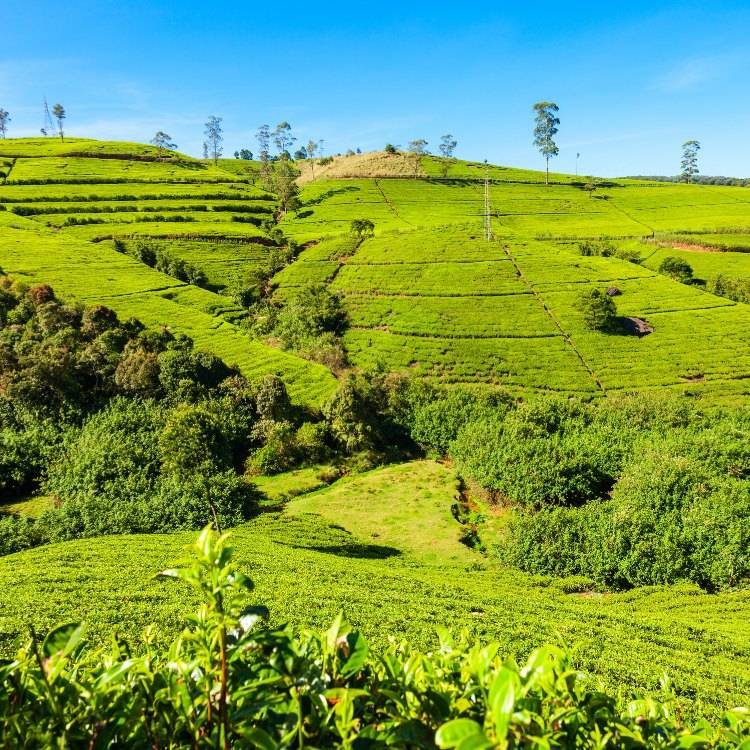
With Experiential Traveller, a visit to the Temple of the Tooth can be the centrepiece of the three-night Kandy experience, travelling privately with an air-conditioned vehicle, a professional driver and a licensed English-speaking guide who can explain the rituals as they unfold. It sits equally well within a Leisure and Heritage or Spiritual and Wellness tour, or you can use the Build Your Own planner to pair Kandy with a Knuckles hike, a tea plantation visit or the scenic train from Nanu Oya to Ella, all at a slow pace that leaves time for an unhurried evening by the lake.
Travel like this
Ashan can build the places in this story into a private, slow-paced journey — with a driver, a licensed guide and stays chosen for each region.

About the author
Ashan Wijetilleke
Founder of Experiential Traveller and a licensed National Tourist Guide, based in Colombo.
About Ashan