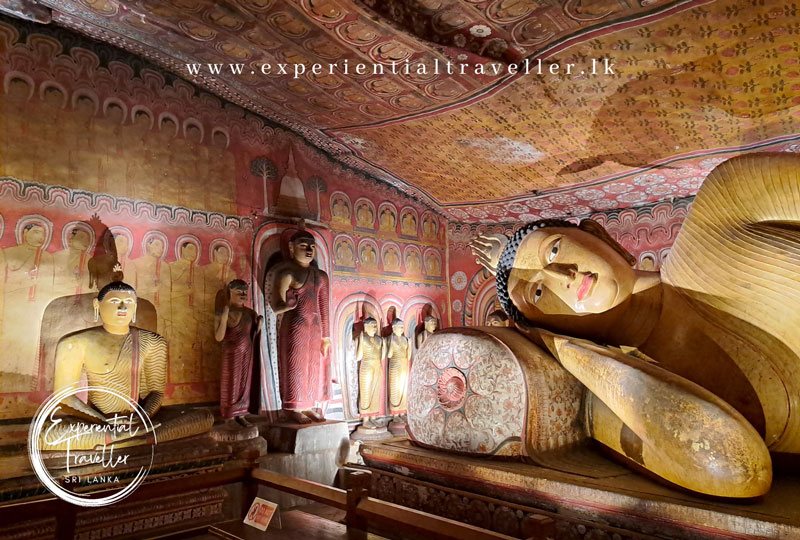
Halfway up a great granite outcrop in the centre of Sri Lanka, a row of whitewashed colonnades hides one of the most extraordinary sacred spaces in Asia. The Dambulla Cave Temple, also known as the Golden Temple of Dambulla, is a complex of five caves filled with Buddha statues and painted from floor to ceiling with murals, a place of worship that has been in continuous use for more than two thousand years.
Recognised as a UNESCO World Heritage Site, it sits at the heart of the Cultural Triangle, a short drive from Sigiriya, and is easily combined with a day of exploring the region. Yet it deserves more than a hurried stop. Step out of the sunlight into the cool half-dark of the caves and you begin to understand why pilgrims have been climbing this rock for so long.
The Story Behind the Caves
The caves were used by Buddhist monks as early as the 3rd century BC, and tradition holds that King Valagamba, also known as Vattagamani Abhaya, sheltered here in the 1st century BC when he was driven from Anuradhapura. On regaining his throne, he is said to have transformed the caves into a temple in gratitude. Successive kings added statues, gilding and paintings over the centuries, and much of the artwork visible today dates from the Kandyan period of the 18th century, laid over and alongside far older work.
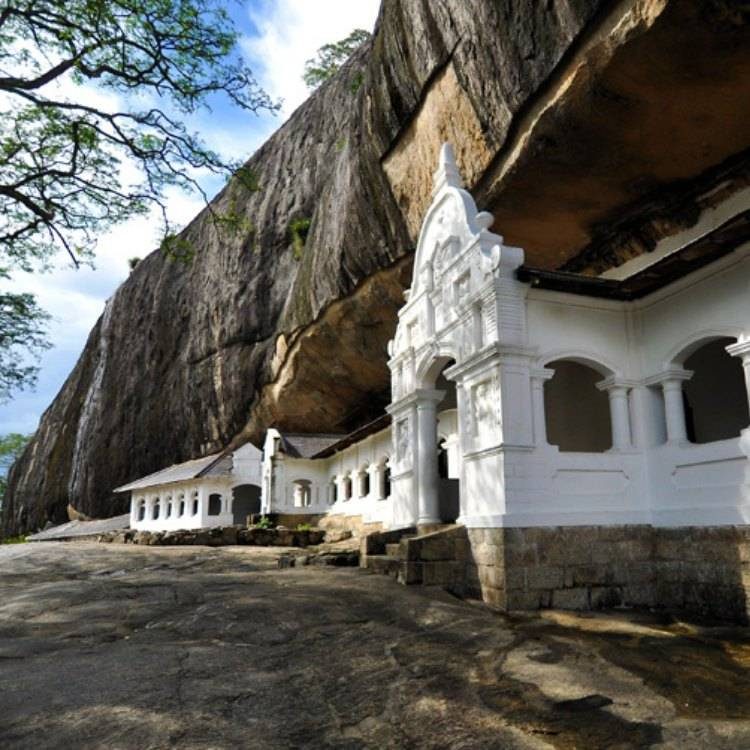
The Climb to the Temple
The caves sit roughly halfway up the rock, reached by a stepped path that winds up the bare granite. For most visitors it takes around 20 to 30 minutes at a gentle pace, with shady spots to pause along the way. The views open out as you climb, across forest and farmland towards Sigiriya on a clear day. Troops of monkeys often gather along the route, so keep food and loose items out of sight.
Inside the Five Caves
Each cave has its own character, and it is worth moving slowly between them to let your eyes adjust to the dim light.
The first cave, known as the Cave of the Divine King, is dominated by a reclining Buddha of around 14 metres, carved from the living rock and painted in rich colour. The second, the Cave of the Great Kings, is the largest and most breathtaking, with dozens of statues and a ceiling covered in paintings that trace episodes from the life of the Buddha and the island's history. Look for the pot that collects water dripping from a crack in the ceiling, believed to have healing properties and said never to run dry.
The remaining caves are smaller but no less absorbing, with seated and standing Buddha figures, images of Hindu deities and further painted ceilings. Across the complex there are more than 150 Buddha images and a vast expanse of murals, among the largest area of ancient cave painting in Sri Lanka.
Reading the Murals
The paintings reward close attention. Repeated seated Buddhas create a mesmerising, almost textile-like pattern across the rock ceilings, while narrative scenes depict the Buddha's enlightenment, the temptations of Mara and the arrival of Buddhism on the island. The colours are largely earthy reds, ochres and yellows, and the way the artists followed the natural curves of the rock gives the caves an enveloping, intimate feel. A knowledgeable guide can help you pick out the stories and understand how the caves were built up over many centuries.
Dambulla Cave Temple Etiquette and Tips
The temple is an active place of worship, and visitors are expected to show respect. These tips will help your visit go smoothly.
- Cover Up: Wear clothing that covers your shoulders and knees, and bring a sarong or shawl if in doubt.
- Remove Shoes: Shoes and hats come off before entering the temple area, so bring socks, as the rock can be very hot underfoot.
- Photograph Respectfully: Never pose with your back to a Buddha image, and follow any signs regarding photography.
- Go Early or Late: Mornings and late afternoons are cooler and quieter than the middle of the day.
- Check Before You Go: Entry arrangements and fees can change, so check current fees before you visit.
- Mind the Monkeys: Keep bags closed and avoid carrying food openly on the path.
The Golden Temple at the Base
At the foot of the rock, the modern Golden Temple complex is hard to miss, crowned by a large golden seated Buddha. It is a very different experience from the caves above, bold and contemporary rather than ancient and hushed, but it forms part of the same living religious site. Some visitors find the contrast illuminating, a reminder that Dambulla remains a place of devotion rather than a museum.
When to Visit and How Long to Allow
Dambulla lies in Sri Lanka's dry zone, which tends to be drier during the south-west monsoon from roughly May to September. The north-east monsoon, from around October or November to February or March, brings more rain here, with inter-monsoon showers common around October and November. Showers rarely last all day, and the caves themselves offer shelter. Allow around one and a half to two hours for the climb, the caves and a little time to sit quietly, which is often the most memorable part.
Pairing Dambulla With the Cultural Triangle
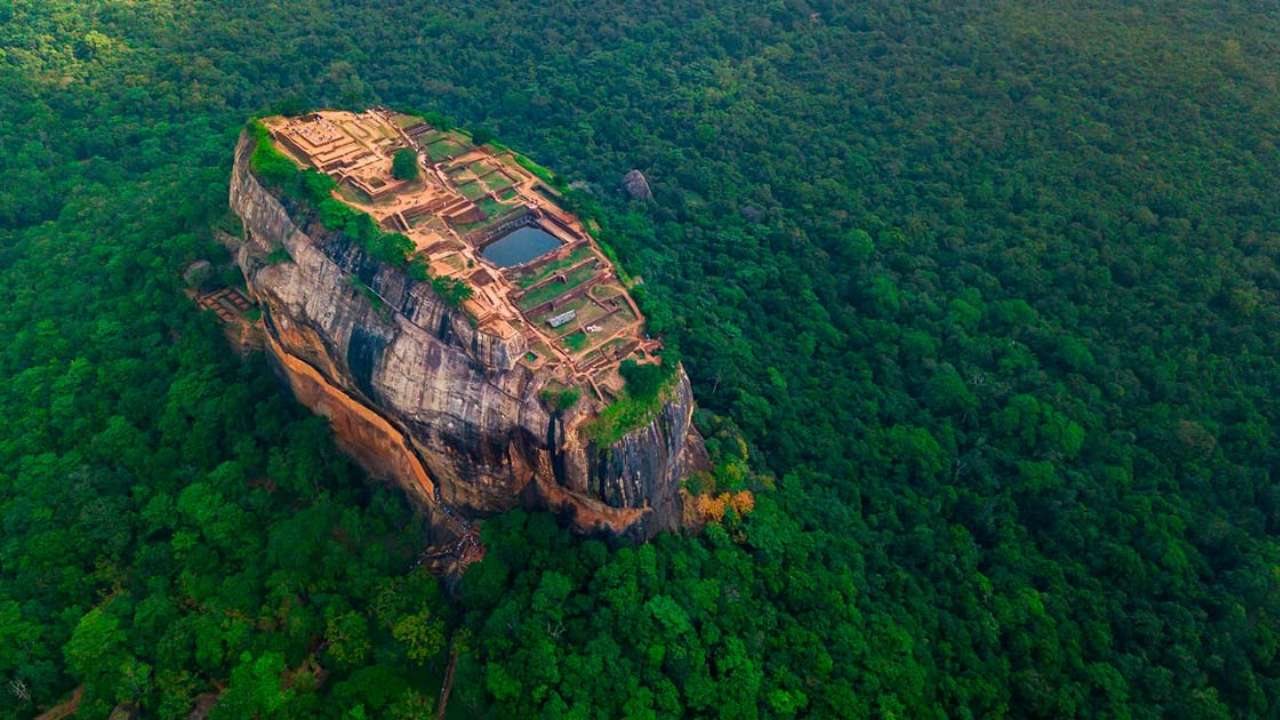
Dambulla sits within easy reach of Sigiriya, Polonnaruwa and the national parks of Minneriya and Kaudulla, making it a natural base for several days of exploration. Visiting the Dambulla Cave Temple in the morning leaves the afternoon free for a jeep safari, while an evening on Thalkote Wewa or a morning hike up Pidurangala adds a different perspective on the landscape.
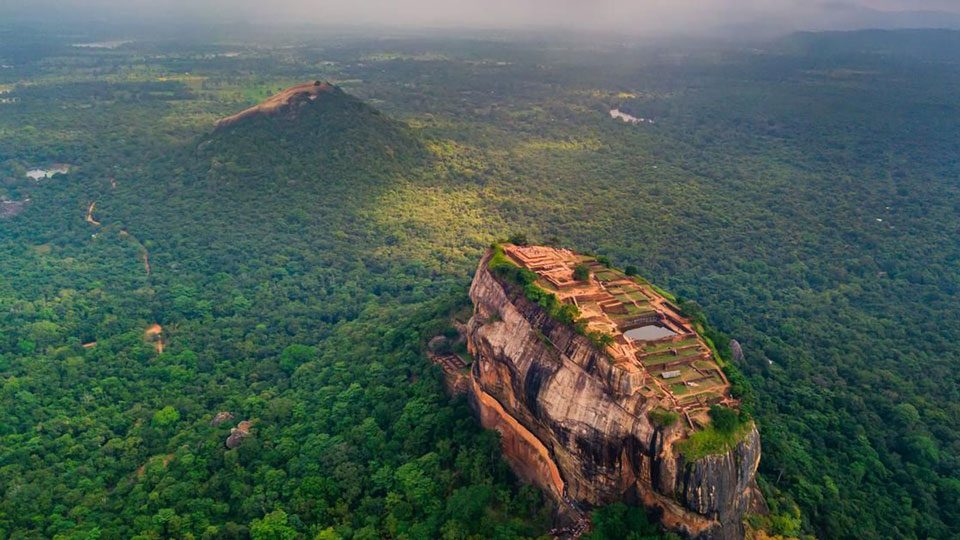
Experiential Traveller's three-night Dambulla and Central Triangle experience brings the Dambulla Cave Temple together with Sigiriya and the surrounding countryside, travelling privately with an air-conditioned vehicle, a professional driver and a licensed English-speaking guide. It can also be woven into a Leisure and Heritage or Spiritual and Wellness tour, or shaped around your own interests with the Build Your Own planner, always at a slow pace that leaves time to sit in the caves a little longer.
Travel like this
Ashan can build the places in this story into a private, slow-paced journey — with a driver, a licensed guide and stays chosen for each region.

About the author
Ashan Wijetilleke
Founder of Experiential Traveller and a licensed National Tourist Guide, based in Colombo.
About Ashan