Rising abruptly from the forests of Sri Lanka's dry zone, Sigiriya is one of those places that looks improbable even when you are standing beneath it. This Sigiriya Lion Rock climb guide covers everything you need to plan the ascent well, from the water gardens at its foot to the ruined palace on its summit, and why many travellers pair it with neighbouring Pidurangala for sunrise.
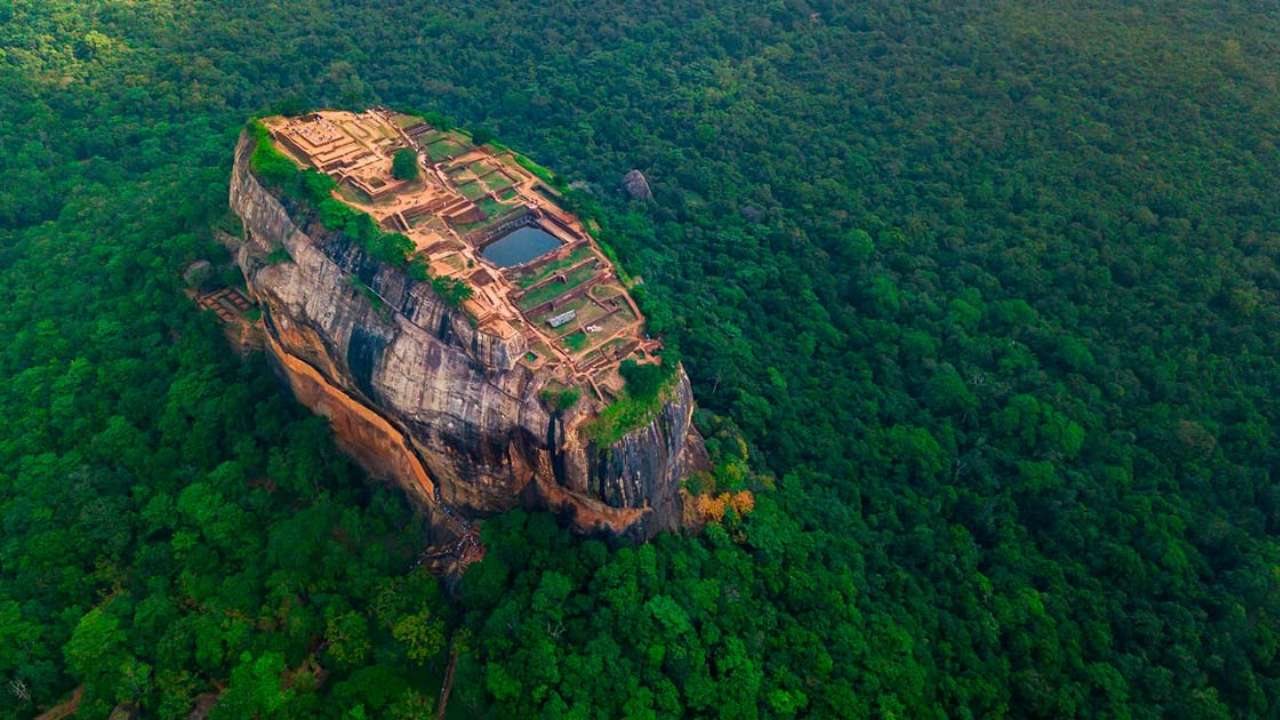
The rock stands roughly 200 metres above the surrounding plain, and in the 5th century AD King Kashyapa made it his royal citadel. What survives today, recognised as a UNESCO World Heritage Site, is a remarkable blend of landscape design, engineering and art. Climbing it is not technically difficult, but it rewards a little preparation and an unhurried pace.
A Brief History of the Rock Fortress
According to the ancient chronicles, Kashyapa seized the throne from his father and, fearing his half-brother's return, moved his capital to this granite outcrop. He built a palace on the flat summit, laid out elaborate gardens below and fashioned a monumental gateway in the shape of a lion. After his reign ended, the site reverted to a Buddhist monastery and was gradually reclaimed by the jungle, until it drew renewed attention in the colonial era.
Walking Through the Water and Boulder Gardens
The climb really begins long before the first staircase. The approach passes through symmetrical water gardens, among the oldest surviving landscaped gardens in Asia, with pools, channels and fountains that still fill after heavy rain. Beyond them, the boulder gardens are more organic, with winding paths threading between huge rocks that once supported pavilions and monastic shelters. Take your time here, because this is where the scale of Kashyapa's vision becomes clear.
The Frescoes and the Mirror Wall
About halfway up, a spiral staircase leads to a sheltered gallery painted with the celebrated frescoes of women, often described as celestial maidens or ladies of the court. Only a small number survive from what is thought to have been a much larger painted surface, yet their colour and grace are striking. Photography rules here can be strict, so follow the instructions of the site staff.
Just beyond lies the Mirror Wall, once polished to a high sheen. Its surface carries centuries of verses scratched by early visitors, many of them responding to the paintings above, which makes it one of the earliest records of tourism anywhere on the island.
The Lion Gate and the Summit
On a broad terrace you reach the Lion Gate, where two enormous carved paws flank the final staircase. The lion's head that once towered above has long since gone, but the paws alone give a sense of how dramatic the entrance must have been. The last section is the steepest, a series of metal stairways bolted to the rock face, and it can feel exposed in a strong wind.
At the top, the palace foundations, cisterns and terraces spread across nearly the whole summit. The views are the real prize, looking out over forest, tanks and distant hills in every direction. Allow time to wander, find some shade and simply take it in before you begin the descent.
Pidurangala, the Sunrise Alternative
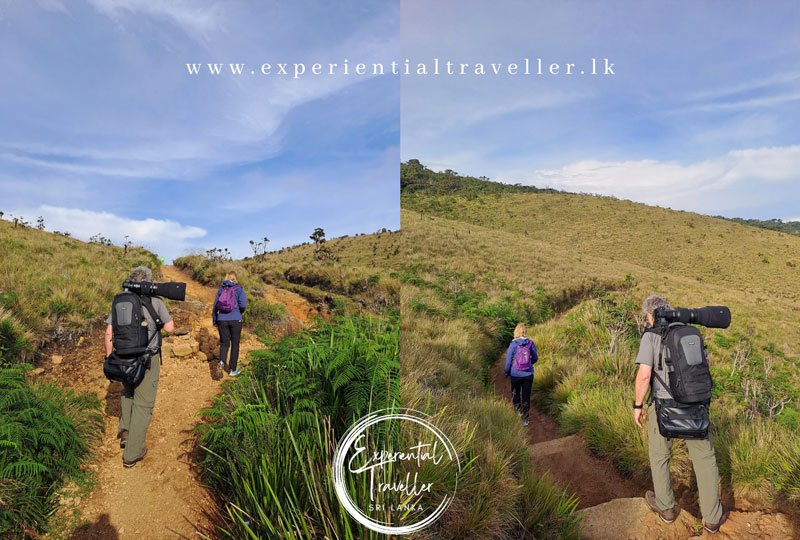
Around a kilometre to the north, Pidurangala Rock offers a different experience and, many would argue, the best view of Sigiriya itself. The walk starts at a working Buddhist temple at the base, then climbs through forest on uneven stone steps past a large brick reclining Buddha. The final stretch is a short but awkward scramble over boulders, which requires sturdy shoes and the use of your hands.
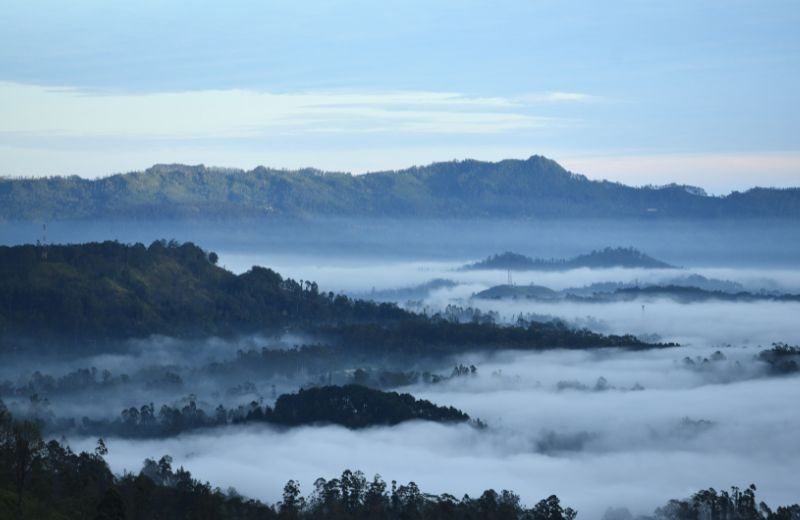
Because the climb is shorter and the summit faces Sigiriya directly, Pidurangala is a favourite for sunrise, when mist often lies in the valleys and the Lion Rock catches the first light. It is also rewarding at sunset. As the temple is an active place of worship, cover your shoulders and knees at the base, even if you change afterwards for the hike.
A Practical Sigiriya Lion Rock Climb Guide
Any good Sigiriya Lion Rock climb guide starts with timing, water and footwear. These are the points worth keeping in mind before you set off.
- Start Early: Aim to be at the entrance as soon as it opens, before the heat builds and the tour groups arrive.
- Pace Yourself: There are around 1,200 steps in total, so climb steadily and rest on the terraces rather than rushing.
- Carry Water: Bring more than you think you need, along with sun protection and a hat for the exposed sections.
- Wear Good Shoes: Choose trainers or walking shoes with grip, as some steps are worn smooth and can be slippery after rain.
- Check Current Fees: Entry charges and opening arrangements change, so check current fees before you go.
- Watch for Hornets: Wild hornets nest on parts of the rock, so keep noise down and follow any guidance from staff.
When to Visit Sigiriya
Sigiriya lies in the Cultural Triangle, which is generally drier than the south-west during the south-west monsoon from roughly May to September. The north-east monsoon, from around October or November to February or March, brings more rain to this part of the island, and inter-monsoon showers are common around October and November. Even then, mornings are often clear, so an early start is the best strategy in any season.
Beyond the Rock
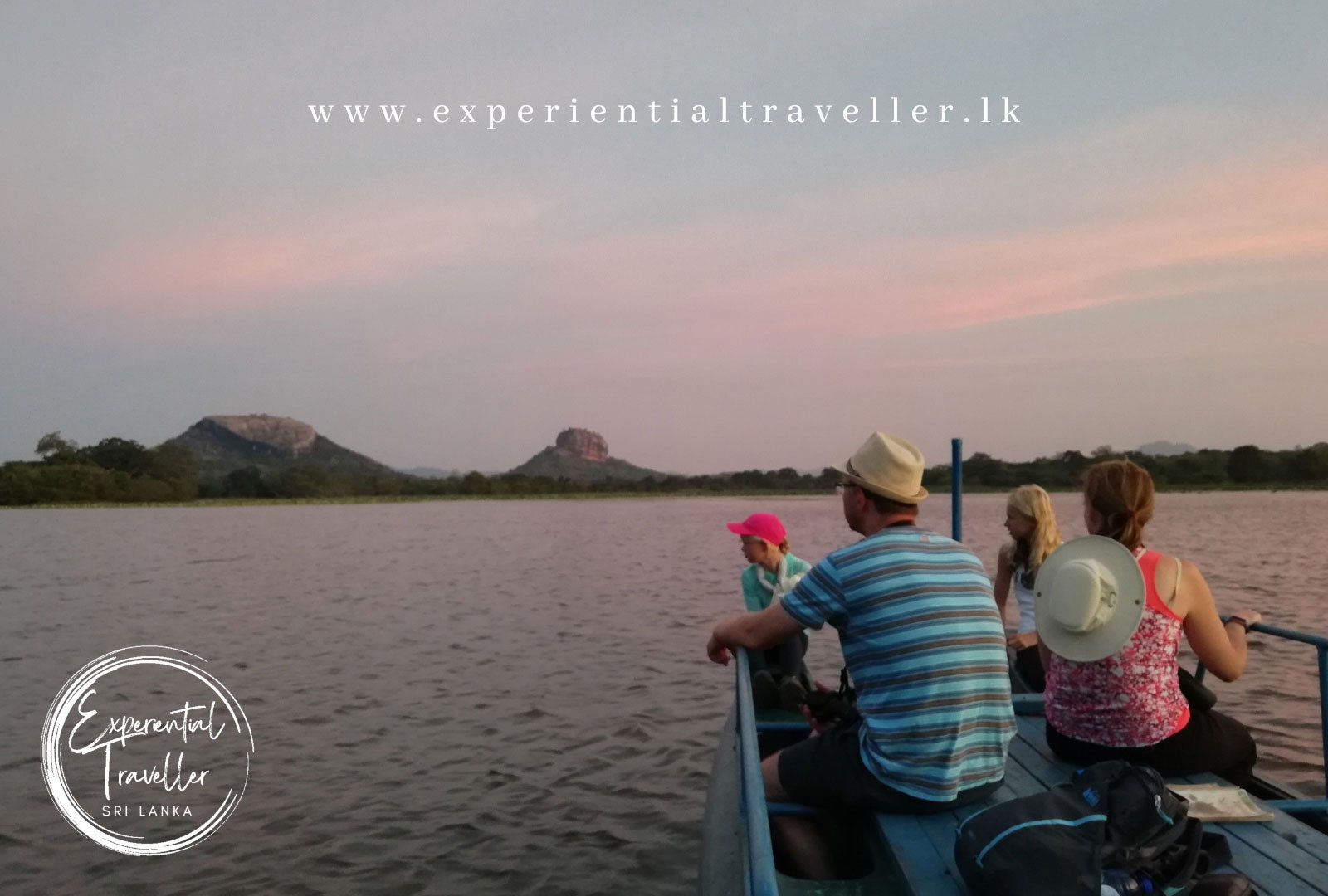
Stay a few nights nearby and the area opens up. A boat ride on Thalkote Wewa at sunrise or sunset reveals Sigiriya reflected in still water, while a guided night walk in the Sigiriya sanctuary introduces a nocturnal world of birds, insects and small mammals. The Dambulla cave temples lie a short drive away, and the national parks of Minneriya and Kaudulla are within easy reach, particularly during the dry-season elephant gathering from roughly July to October.
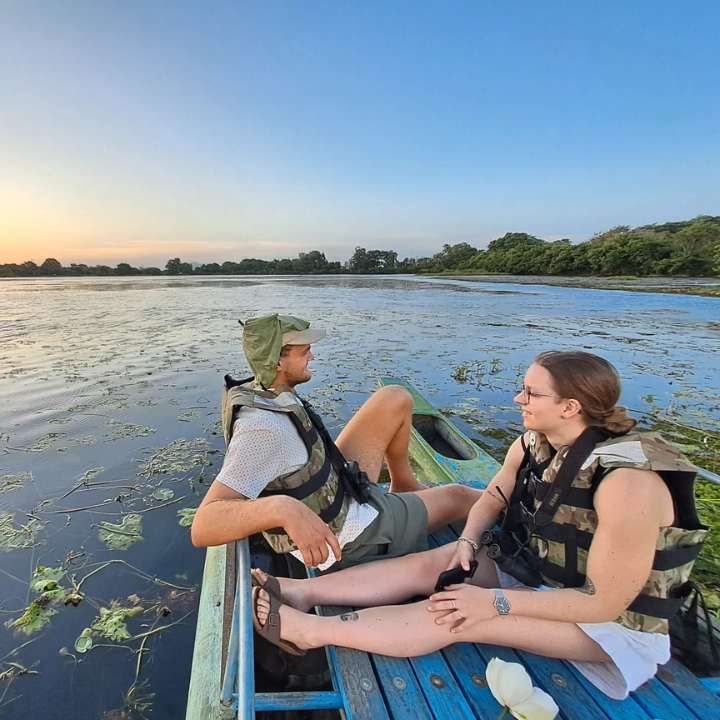
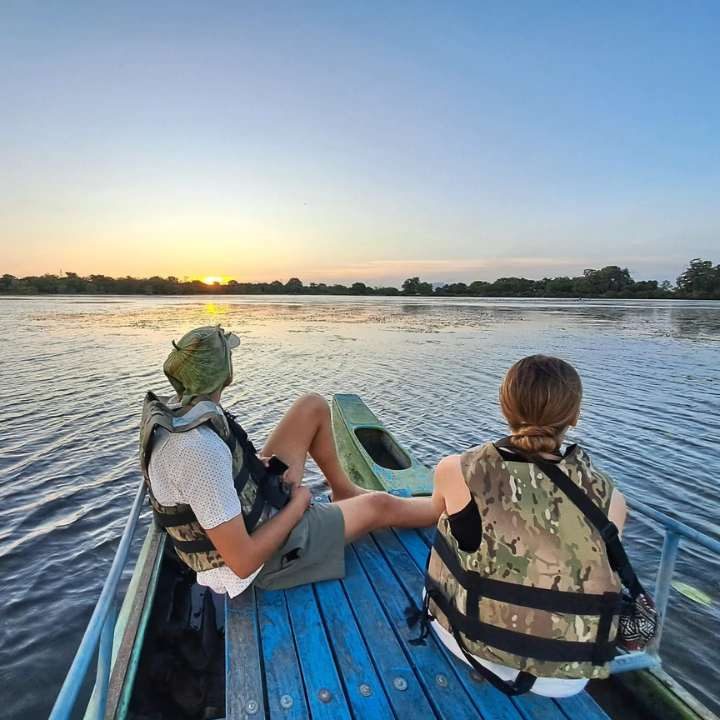
With Experiential Traveller, the Sigiriya Lion Rock climb can sit at the heart of the three-night Dambulla and Central Triangle experience or form part of a longer Leisure and Heritage tour, with a private air-conditioned vehicle, professional driver and licensed English-speaking guide. You can also use the Build Your Own planner to combine the climb with the Pidurangala hike, a Thalkote Wewa boat ride and a sanctuary night walk, travelling at a slow pace that leaves room to linger.
Travel like this
Ashan can build the places in this story into a private, slow-paced journey — with a driver, a licensed guide and stays chosen for each region.

About the author
Ashan Wijetilleke
Founder of Experiential Traveller and a licensed National Tourist Guide, based in Colombo.
About Ashan