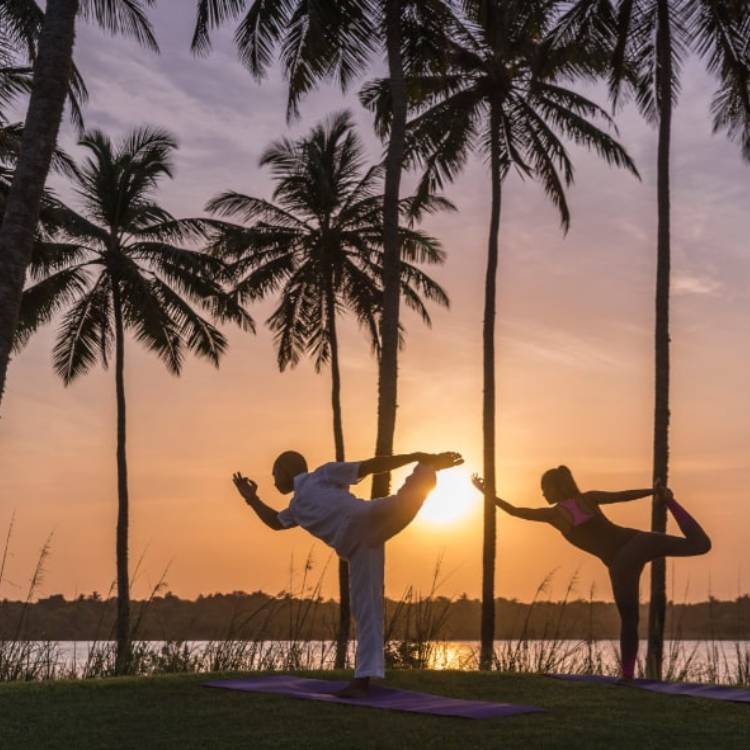
There are few places better suited to stillness than Sri Lanka. Buddhist teaching has shaped the island for more than two thousand years, forest hermitages still stand among ancient trees, and the traditional healing system of Ayurveda remains part of everyday life. For travellers seeking rest, reflection or simply a pause from a busy world, a meditation retreat in Sri Lanka offers something rare, a setting where calm feels natural rather than manufactured.
The choice can feel overwhelming at first. Some retreats are simple and silent, centred on meditation practice and guided by monks or experienced teachers, while others blend yoga, Ayurvedic treatments, nourishing food and time in nature. This guide explains the differences, what a typical day might look like and how to choose the experience that suits you.
Why Sri Lanka Suits Contemplative Travel
Sri Lanka is home to one of the oldest continuous traditions of Theravada Buddhism, and meditation is woven into the rhythm of the country. Temples ring with chanting at dawn, devotees dressed in white gather on full-moon Poya days, and forest monasteries continue a long heritage of quiet practice. Even visitors with no religious interest often find that this atmosphere encourages them to slow down.
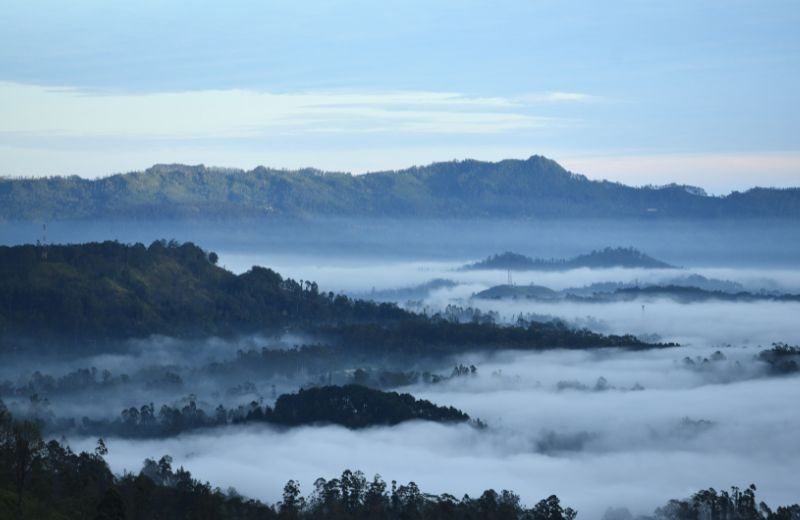
The landscape helps too. Many centres and retreats sit in the hill country, in forested valleys or beside quiet lakes and rivers, where birdsong, cool mornings and green views create a natural sense of ease. It is hard to feel hurried when the loudest sound is rain on the leaves.
What to Expect on a Meditation Retreat in Sri Lanka
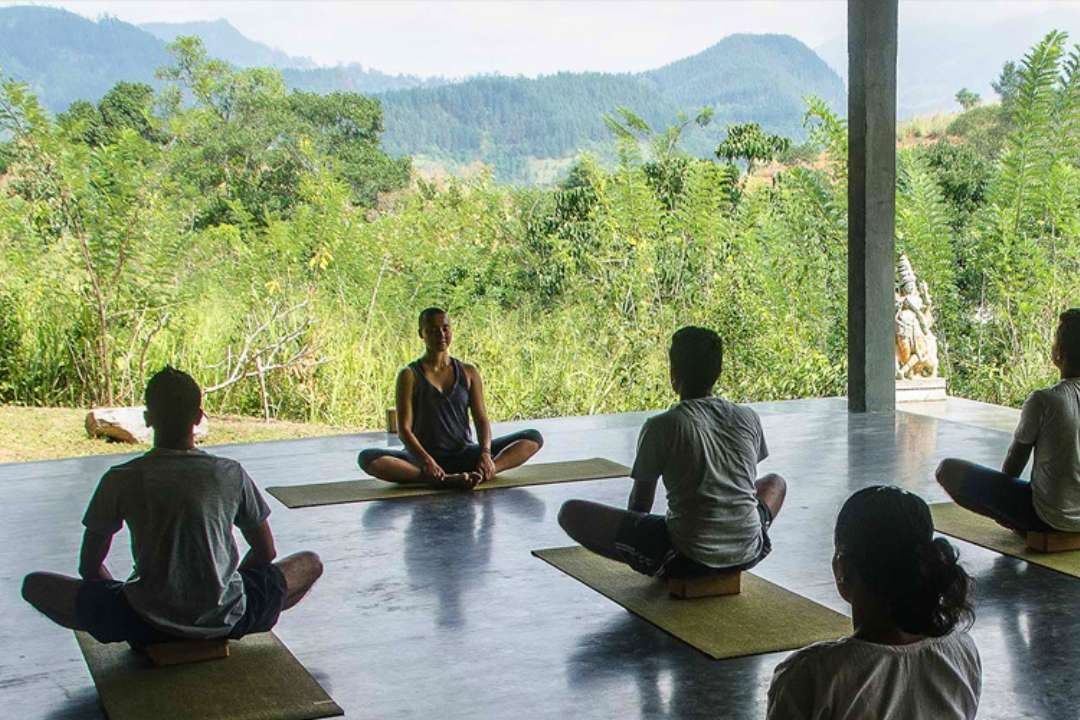
A meditation retreat in Sri Lanka is usually a simple, disciplined experience. Days tend to begin early, often before sunrise, with alternating periods of sitting and walking meditation, talks on Buddhist teaching and quiet meals. Many centres encourage noble silence for all or part of the stay, and accommodation is typically modest, with the focus firmly on practice rather than comfort.
Beginners are generally welcome, and instruction often starts with the basics of mindful breathing and awareness. Wearing white or light, modest clothing is customary in many centres, and guests are usually asked to follow a few simple precepts during their stay, such as refraining from alcohol. Each centre has its own guidelines, so it is worth understanding them before you arrive.
The Gentler World of Wellness Retreats
A wellness retreat in Sri Lanka tends to offer a softer, more rounded experience. Programmes may combine yoga and meditation with Ayurvedic consultations, herbal treatments and massages, alongside wholesome local food prepared with fresh vegetables, fruit and spices. Accommodation ranges from rustic eco lodges to elegant boutique properties set in gardens or forest.
Ayurveda is a traditional system that views wellbeing as a balance of body and mind, and many visitors find its treatments deeply relaxing. It is best approached as a restorative experience rather than a substitute for medical care, and anyone with a health condition should speak to their doctor before starting a treatment programme.
Choosing the Right Retreat for You
Start with your intention. If you want to deepen a meditation practice or experience a monastic rhythm, a meditation centre may be ideal. If your aim is rest, gentle movement and pampering, a wellness retreat is likely to suit you better. Consider how much structure you want, whether silence appeals, and how comfortable you would like your surroundings to be.
Length matters as well. A few nights can offer a welcome reset, while a longer stay allows the mind to settle and the benefits to deepen. Many travellers combine a retreat with sightseeing, spending time at a centre before or after exploring the Cultural Triangle, the hill country or the coast.
When to Go
Retreats run throughout the year, and the best time depends on the region. The hill country and the west tend to be wetter during the south-west monsoon, roughly May to September, while the east and north are wetter from around October or November to February or March. Many people find the rain adds to the peaceful mood, but if you plan to combine your retreat with beach days or safaris, choose a season that suits those regions too.
Full-moon Poya days, observed each month, can be especially meaningful times to be at a meditation centre, when local devotees visit temples to observe precepts and meditate. Festivals such as Vesak in May bring lanterns and devotional gatherings across the island, adding a gentle sense of occasion to a reflective stay.
Tips for a Rewarding Retreat
- Set an Intention: decide what you hope to gain, whether rest, clarity or a deeper practice.
- Pack Simple Clothing: bring loose, modest garments in white or light colours for meditation centres.
- Ease Into Silence: begin reducing screen time a few days before you arrive.
- Respect Local Customs: follow the centre's guidelines on dress, meals and conduct.
- Allow Time Afterwards: give yourself a quiet day or two before returning to busy sightseeing.
- Speak to Your Doctor: seek medical advice before any intensive treatment programme.
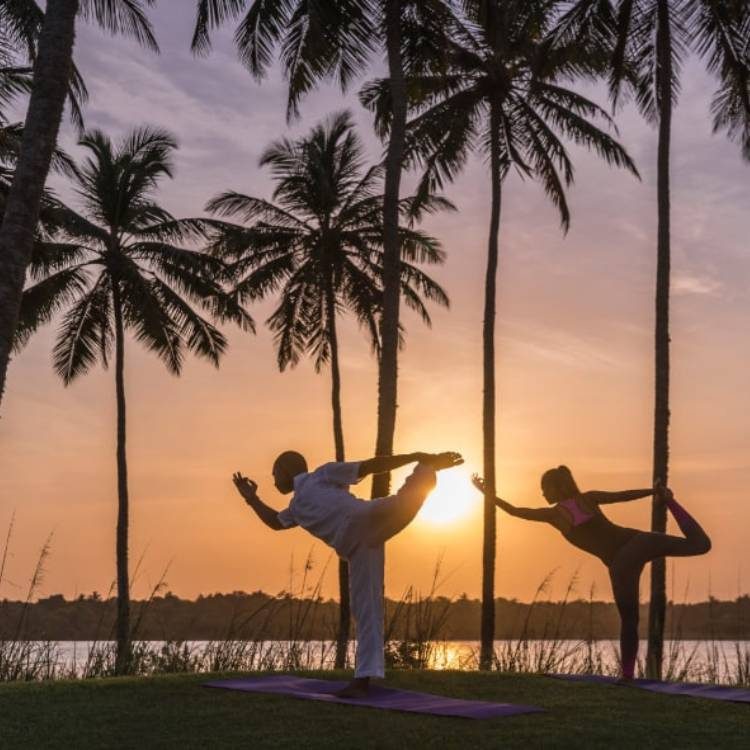
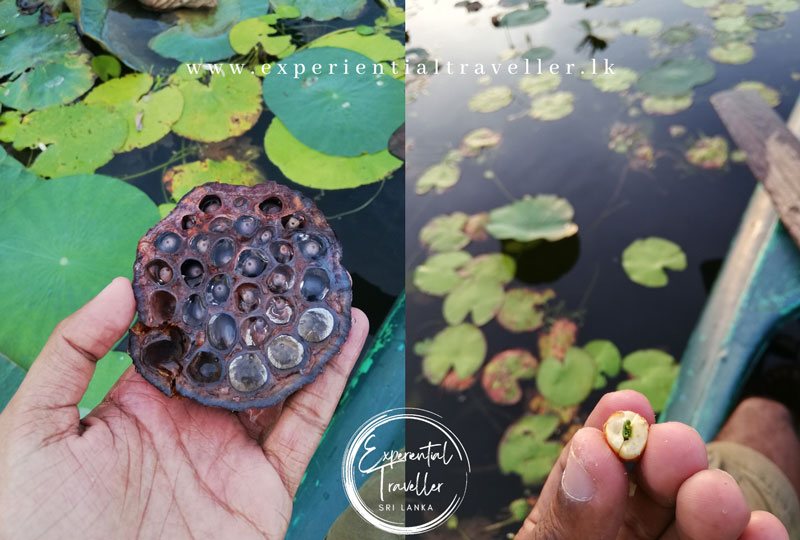
Whether you are drawn to a silent meditation retreat in Sri Lanka or a more restorative wellness escape, the right setting can make all the difference. Experiential Traveller offers a Spiritual and Wellness tour of 5, 7, 10 or 12 nights, based in a meditation centre or wellness retreat, with private travel in an air-conditioned vehicle and a licensed English-speaking guide. You can also use the Build Your Own planner to weave a retreat into a wider, slow-paced journey around the island.
Travel like this
Ashan can build the places in this story into a private, slow-paced journey — with a driver, a licensed guide and stays chosen for each region.
About the author
Ashan Wijetilleke
Founder of Experiential Traveller and a licensed National Tourist Guide, based in Colombo.
About Ashan