Sri Lanka is famously welcoming, and first-time visitors are often struck by the warmth of its people as much as by its temples, beaches and wildlife. A little preparation goes a long way, though. These Sri Lanka travel tips cover the customs, practicalities and small courtesies that help you travel respectfully and comfortably, from what to wear at a temple to how to handle the tropical sun.
None of these Sri Lanka travel tips is complicated. Most of it comes down to patience, modesty and a willingness to slow down, which happen to be the very qualities that make a journey through the island so rewarding. Read on for the essentials before you pack.
Temple Etiquette and Dress
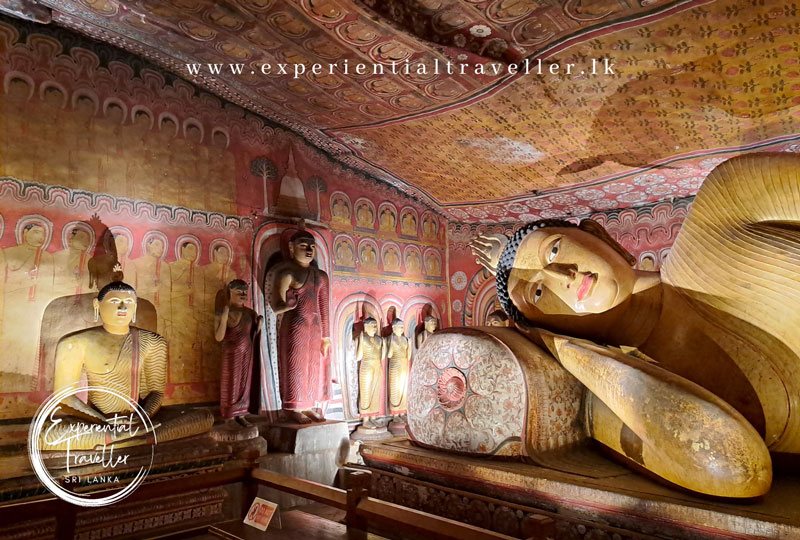
Buddhism shapes daily life across much of Sri Lanka, and temples are active places of worship rather than museums. When visiting, cover your shoulders and knees, and remove your shoes and hat before entering the temple grounds. Stone paving can become very hot in the midday sun, so many visitors carry a pair of socks for the walk across courtyards.
Show particular respect towards images of the Buddha. Never pose with your back to a statue for a photograph, avoid pointing your feet towards a shrine, and do not touch or climb on statues. Visible Buddha tattoos can cause offence, so it is wise to keep them covered. Hindu kovils, mosques and churches have their own customs, so follow the lead of local worshippers and ask your guide if in doubt.
Everyday Customs and Courtesies
Modest dress is appreciated beyond the temples too, particularly in towns and rural villages. Swimwear is perfectly normal on the beach but best kept to the beach. Public displays of affection are generally frowned upon, and a calm, friendly manner always achieves more than raising your voice.
It is customary to give and receive things with the right hand, or with both hands as a sign of respect. You may notice the gentle side-to-side head movement that often means yes or I understand. Always ask before photographing people, especially monks, and remember that full-moon Poya days are public holidays when many locals visit temples dressed in white and alcohol sales are usually restricted.
Getting Around the Island
Distances in Sri Lanka look modest on a map, but journeys often take much longer than you might expect. Roads wind through towns, hills and villages, and traffic can be slow, so allow generous time between destinations and avoid packing too much into a single day.
Trains are a memorable way to travel, and the scenic hill-country line from Nanu Oya to Ella is a highlight of many trips. Check current timetables before you go, as services can change. Tuk-tuks are handy for short hops, and it is sensible to agree the fare before setting off unless the vehicle has a working meter. For longer journeys, a private vehicle with a professional driver offers flexibility, comfort and the freedom to stop wherever something catches your eye.
Money and Tipping
The local currency is the Sri Lankan rupee. Cards are widely accepted in larger hotels, restaurants and shops, while cash is useful for markets, small cafés, temple donations and tuk-tuks. ATMs are found in most towns, though they become scarcer in rural areas, so carry some cash in smaller denominations when heading off the beaten track.
Tipping is customary and genuinely appreciated. Many restaurants add a service charge, but a small extra tip for good service is common. Drivers, guides, safari jeep drivers, hotel porters and housekeeping staff are also usually tipped, and a modest amount given with thanks at the end of a service is always well received. There is no need to be extravagant, simply fair.
Food, Water and Staying Well
Sri Lankan food is one of the great joys of a visit, from rice and curry with its array of small dishes to hoppers, kottu and fresh tropical fruit. Spice levels can be high, so do not hesitate to ask for milder versions. Many travellers prefer bottled or filtered water rather than tap water, and a refillable bottle helps cut down on plastic where filtered refills are offered.
Take the usual sensible precautions with street food by choosing busy stalls with a high turnover. It is also worth speaking to your doctor or a travel health clinic well before departure about any recommended vaccinations and about mosquito protection, particularly if you are travelling during or after the rains.
Sun, Heat and Humidity
Sri Lanka sits just north of the equator, and the sun is strong all year, even on cloudy days. Plan outdoor sightseeing for the early morning and late afternoon, and use the middle of the day for a long lunch or a rest. Hikes such as Sigiriya, Pidurangala and Horton Plains are far more enjoyable when started early.
Wear light, loose clothing in natural fabrics, a wide-brimmed hat and good sunglasses, and apply a high-factor sunscreen regularly. Drink plenty of water throughout the day. The hill country can be surprisingly cool, especially in the early morning, so pack a warm layer as well.
Quick Sri Lanka Travel Tips to Remember
- Cover Up at Temples: bring a scarf or sarong so you can cover shoulders and knees at short notice.
- Carry Small Notes: keep low-value notes for tips, donations and tuk-tuk fares.
- Allow Extra Time: plan road journeys generously and avoid long drives on consecutive days.
- Ask Before Photographing: always seek permission before taking pictures of people.
- Check Before You Go: confirm entry arrangements, park openings and train timetables close to your dates.
- Respect the Wildlife: keep a respectful distance from animals and never feed them.
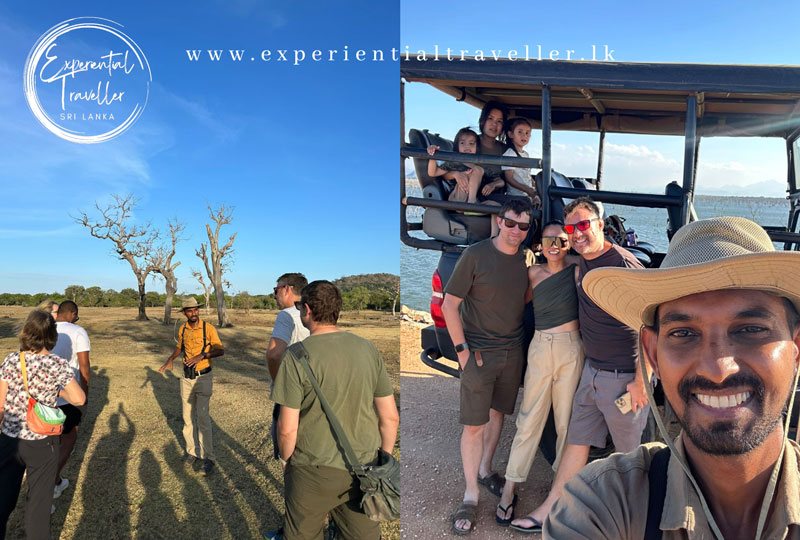
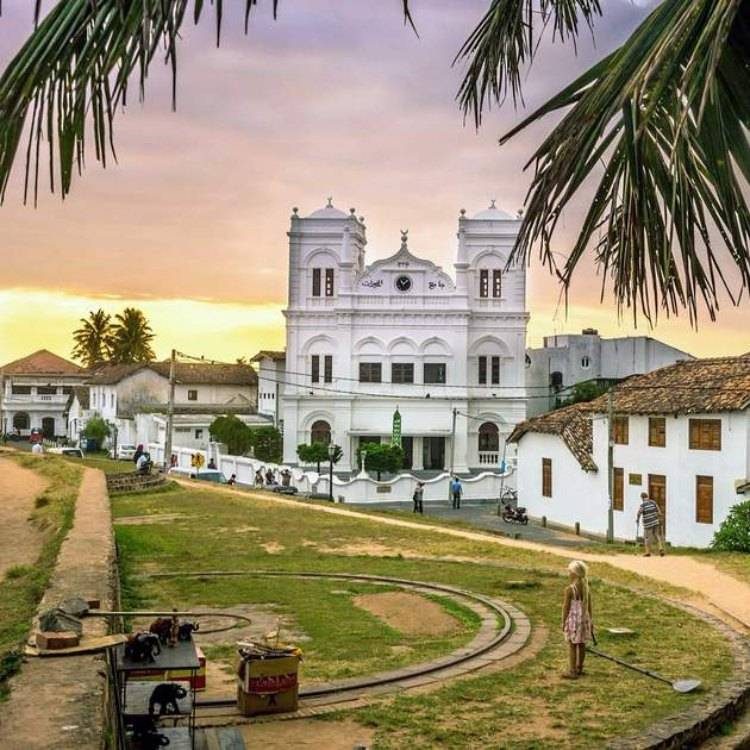
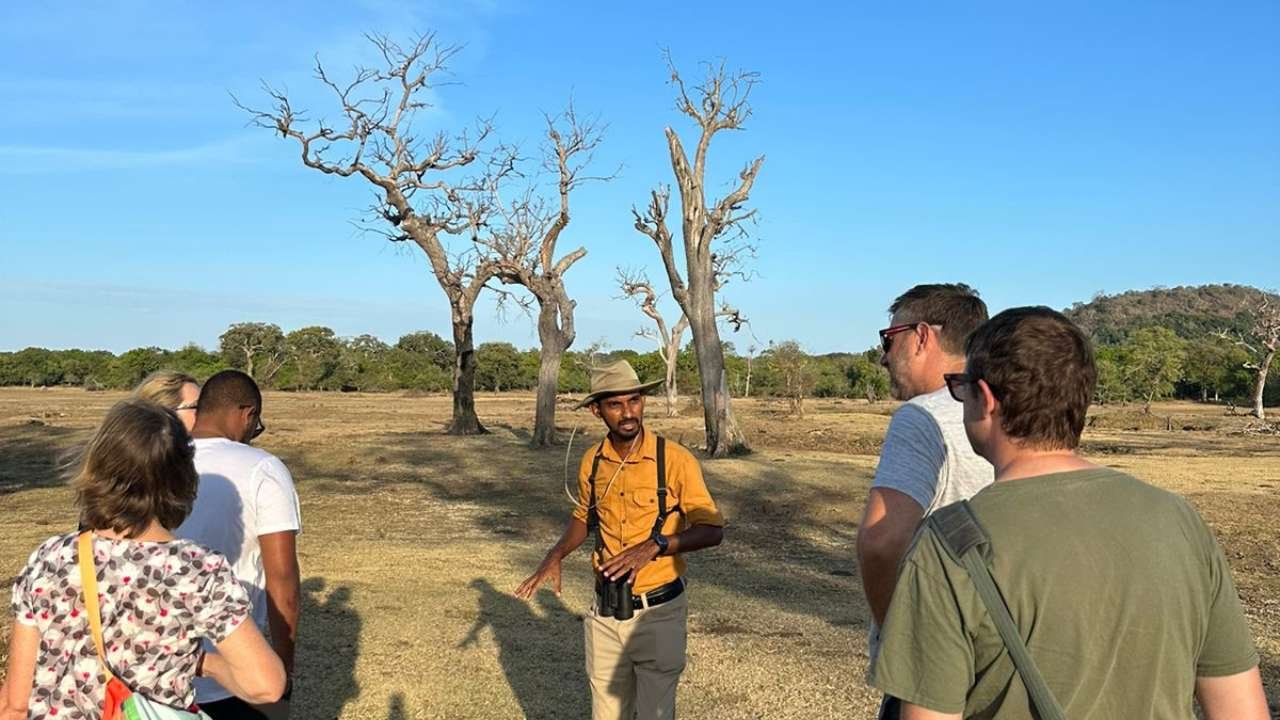
Many of these Sri Lanka travel tips become second nature after a day or two, especially with someone knowledgeable by your side. Experiential Traveller runs private, slow-paced journeys with an air-conditioned vehicle, a professional driver and a licensed English-speaking guide who can explain local customs as you go. Whether you choose one of the thematic tours, a three-night regional experience or a route designed with the Build Your Own planner, you can travel with confidence and simply enjoy the island.
Travel like this
Ashan can build the places in this story into a private, slow-paced journey — with a driver, a licensed guide and stays chosen for each region.

About the author
Ashan Wijetilleke
Founder of Experiential Traveller and a licensed National Tourist Guide, based in Colombo.
About Ashan