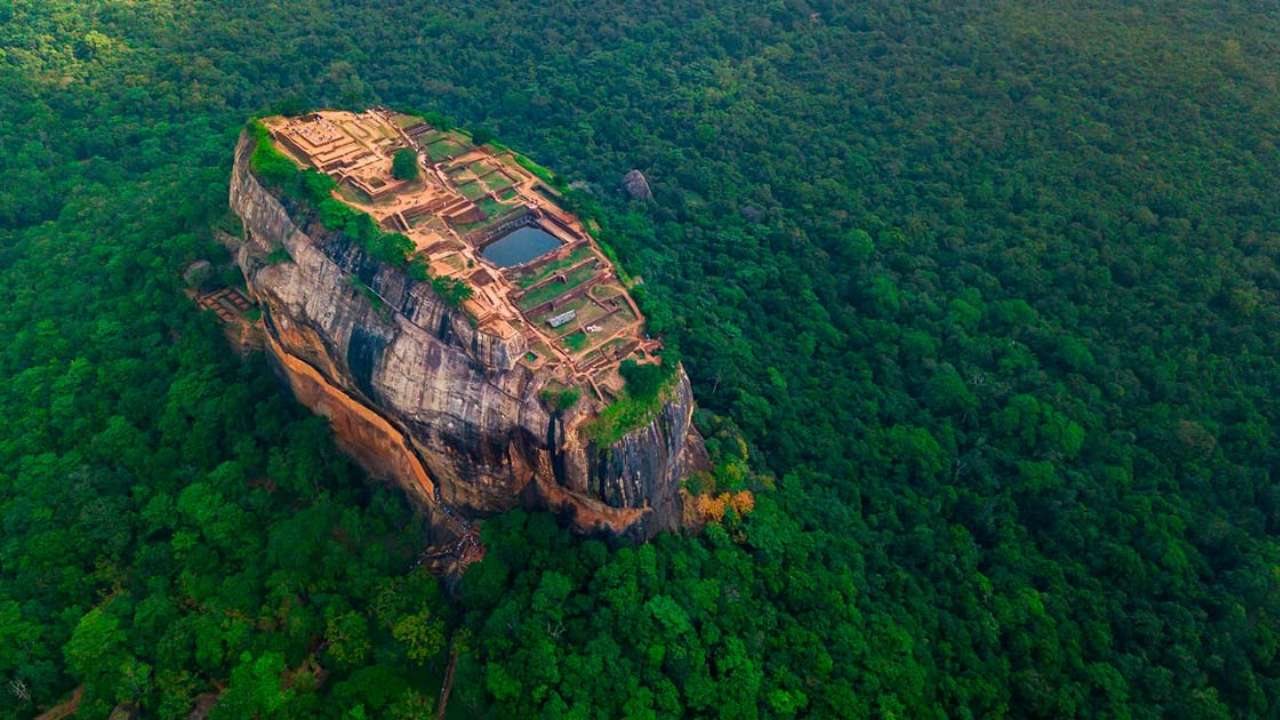
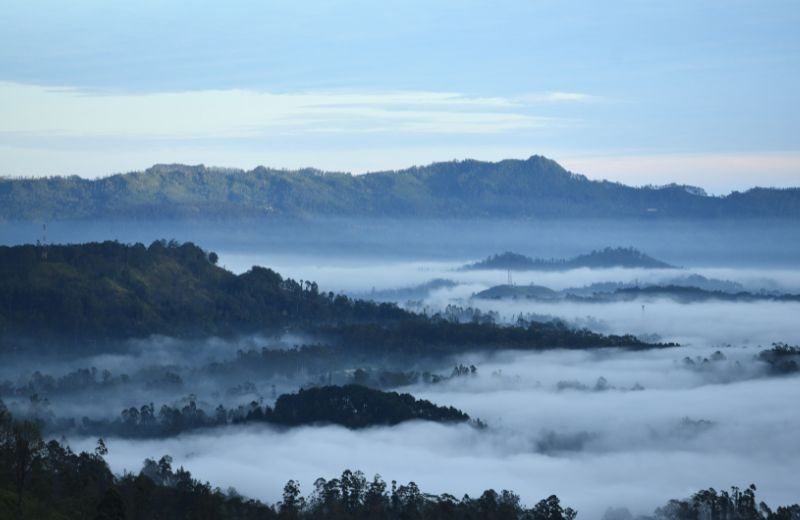
There is a moment on the Horton Plains World's End hike when the grassland simply stops. One minute you are walking through misty cloud forest and open plateau, and the next the ground falls away in a sheer escarpment, with tea estates and villages spread out like a map far below. On a clear morning you can see a long way towards the south coast, and it is easy to understand how the viewpoint earned its dramatic name.
Horton Plains sits high in Sri Lanka's central highlands, a cool, windswept plateau unlike anywhere else on the island. It is part of the Central Highlands of Sri Lanka World Heritage Site and one of the country's most important watersheds. For walkers, it offers one of the finest half-day hikes in South Asia, combining sweeping views, a beautiful waterfall and a real sense of wilderness.
The Plateau and Its Landscape
The plains lie at roughly 2,100 to 2,300 metres above sea level, making them the highest plateau in Sri Lanka. The landscape is a mosaic of rolling grassland, known locally as patana, broken by patches of stunted montane forest draped in lichen and moss. Streams wind through the valleys and feed several of the island's major rivers.
Mornings can be crisp, even cold, and cloud often rolls across the plateau within minutes. Two of the country's highest peaks, Kirigalpotta and Totapola, rise from its edges. The atmosphere is closer to a Scottish moor than a tropical island, and it comes as a surprise to many visitors who arrive expecting heat and palm trees.
The World's End Loop
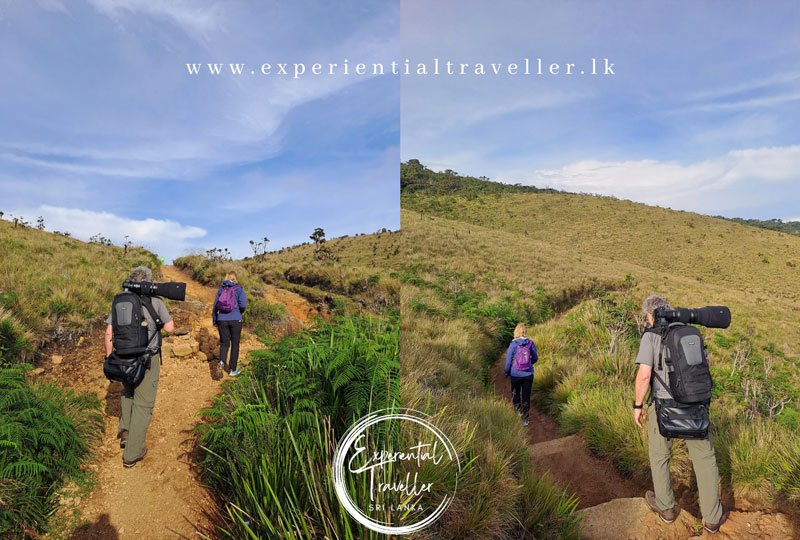
The classic Horton Plains World's End hike is a circular trail of around 9 kilometres that most people complete in three to four hours. The path is mostly gentle, with some rocky and uneven sections, and is well within the reach of reasonably fit walkers.
Along the way you pass Mini World's End, a smaller but still impressive drop, before reaching the main viewpoint at World's End itself, where the escarpment plunges roughly 800 to 900 metres. The trail then continues across the grassland to Baker's Falls, named after the Victorian explorer Samuel Baker, before looping back to the starting point.
Why Timing Matters
The single most important piece of advice for this walk is to start early. Mist and cloud tend to build through the morning, and by mid to late morning the view from World's End is often completely obscured. Arriving soon after the park opens gives you the best chance of clear skies and far-reaching views.
An early start also brings softer light, cooler walking conditions and a better chance of spotting wildlife before the day's visitors arrive. Most travellers stay the night before in Nuwara Eliya or nearby, then drive up to the park entrance in the dark. Check current opening arrangements and fees before you go.
Wildlife and Birdlife
Horton Plains is a rewarding place for nature lovers. Sambar deer are frequently seen grazing on the grasslands, particularly in the early morning. The park is also home to the endemic purple-faced langur, whose highland form has a thick, shaggy coat, along with smaller mammals and a variety of reptiles and amphibians found nowhere else.
Birdwatchers come in search of several highland endemics, including the Sri Lanka whistling thrush and the dull-blue flycatcher, both of which favour the cool forest patches. Even if you are not a keen birder, listening to the chorus of calls through the mist is part of the experience.
Tips for the Horton Plains World's End Hike
- Start at First Light: the views at World's End are usually clearest early, before cloud rolls in.
- Dress in Layers: temperatures can be surprisingly cold at dawn, then warm quickly once the sun breaks through.
- Wear Good Shoes: the trail is rocky and can be muddy after rain, so sturdy walking shoes are best.
- Carry Water and Snacks: there are few facilities along the loop, so bring what you need for the full walk.
- Leave No Trace: the park has strict rules on plastic and litter, and bags may be checked at the entrance.
- Stay on the Path: the escarpment edges are sheer and unfenced in places, so keep well back from the drop.
When to Go
Horton Plains can be visited year-round, but conditions vary. The drier months, roughly January to March or April, generally offer the best chances of clear views. The south-west monsoon, around May to September, often brings more rain, mist and wind to the plateau, and the inter-monsoon period around October and November can also be wet.
That said, the weather in the highlands is famously changeable, and a misty morning can clear suddenly to reveal the view, just as a sunny start can cloud over within minutes. Flexibility and an early start are the best strategies in any season.
Combining the Hike with the Hill Country
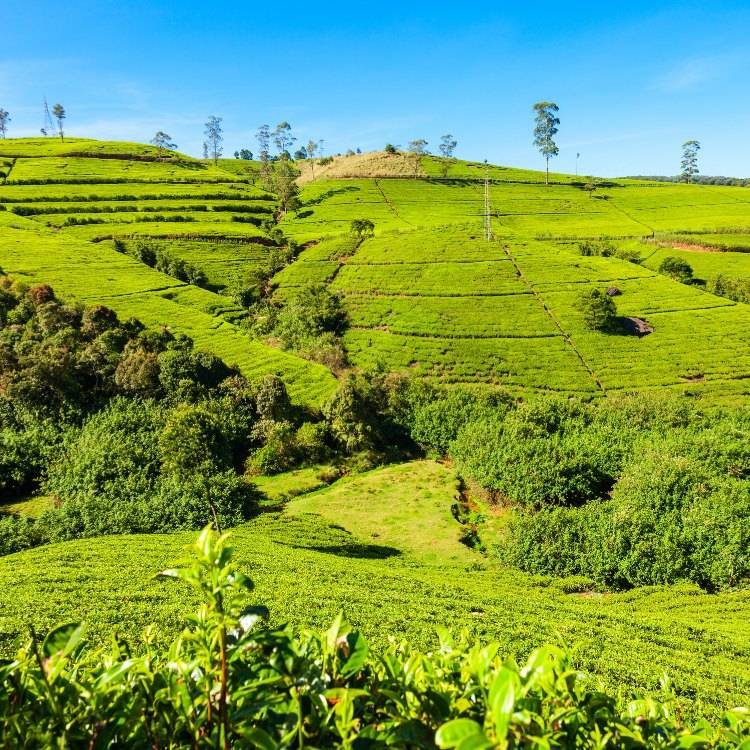
Horton Plains fits naturally into a hill-country itinerary. Nuwara Eliya is the most common base, with its tea estates and cool climate, while the plateau is also close to the railway stations at Pattipola and Ohiya. Many travellers pair the hike with a visit to a tea plantation and a ride on the scenic train from Nanu Oya to Ella, making for a varied few days in the highlands.
Walking Horton Plains with Experiential Traveller

The Horton Plains World’s End hike is one of the experiences Experiential Traveller includes on its private, slow-paced journeys, alongside walks in the Knuckles range. With a licensed English-speaking guide and a professional driver to handle the pre-dawn drive to the park, you can focus entirely on the walk and the wildlife. It sits comfortably within the Nature & Wildlife tour, or you can add it to your own route through the hill country using the Build Your Own journey planner.
Travel like this
Ashan can build the places in this story into a private, slow-paced journey — with a driver, a licensed guide and stays chosen for each region.

About the author
Ashan Wijetilleke
Founder of Experiential Traveller and a licensed National Tourist Guide, based in Colombo.
About Ashan