Sri Lanka is one of those rare islands where somewhere is almost always enjoying fine weather. Two monsoons sweep across the country at different times of year, so while one coast is washed with rain the other is often basking in sunshine. Working out the best time to visit Sri Lanka is therefore less about finding a single perfect month and more about matching the season to the places and experiences that matter most to you.
This month-by-month guide explains how the weather works, where to go in each part of the year and what you might see along the way, from elephant gatherings on the northern plains to calm seas on the east coast. Tropical weather is never entirely predictable, and patterns shift a little from year to year, so treat what follows as a reliable rule of thumb rather than a promise.
How the Two Monsoons Shape the Island
The south-west monsoon arrives roughly in May and lingers until around September, bringing wetter weather to the west and south coasts and to the hill country. The north-east monsoon follows from around October or November until February or March, when the east and north receive more of the rain. Between the two, inter-monsoon showers tend to fall across much of the island around October and November, often as heavy afternoon downpours rather than rain that lasts all day.
A wet month in the tropics is rarely a washout. Mornings are frequently bright, the landscape is at its most luminous green, and roads and viewpoints are noticeably quieter.
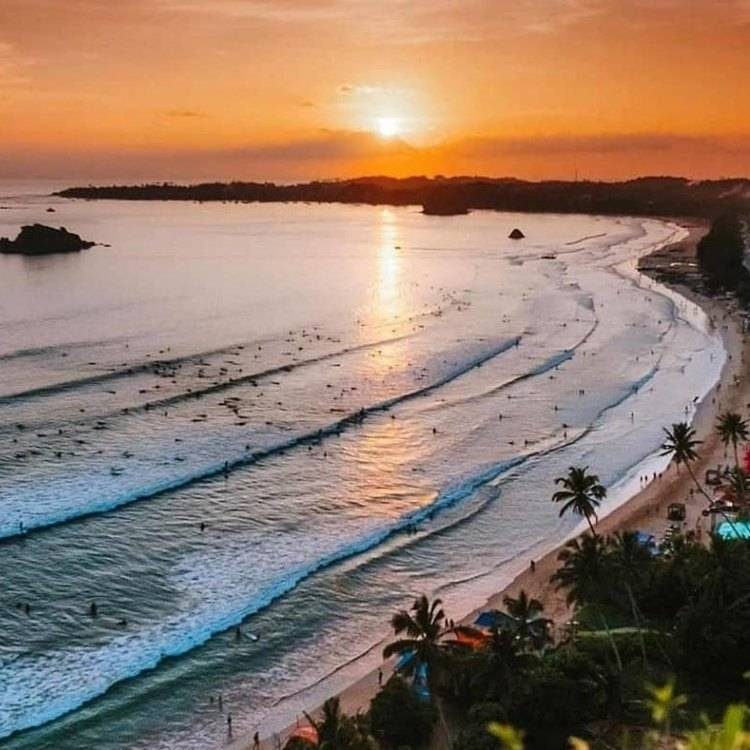
December to March on the West and South Coasts
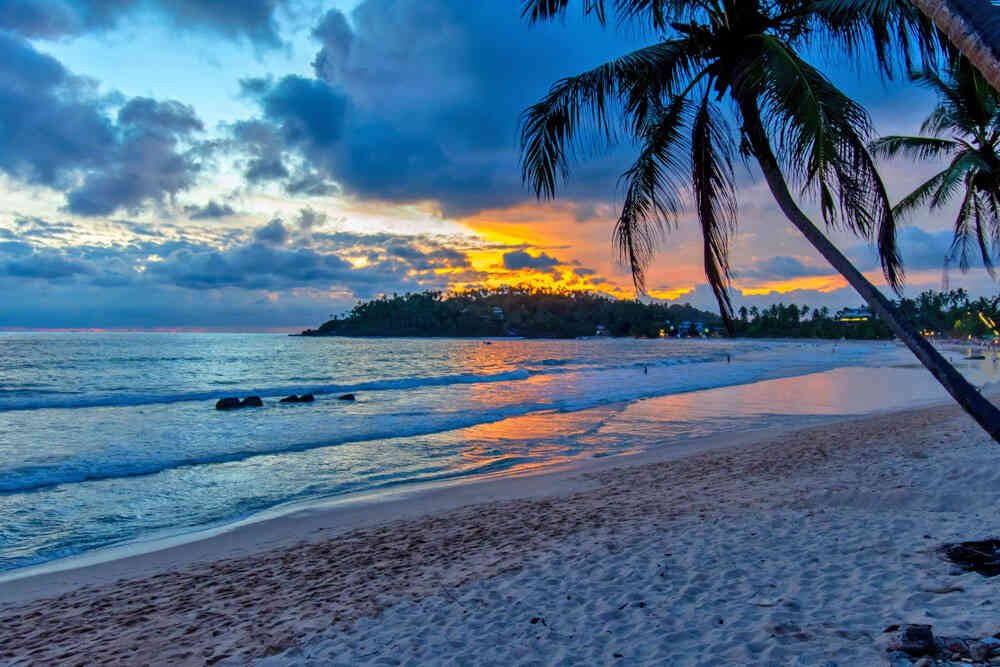
For many visitors the classic window, and the best time to visit Sri Lanka for a beach holiday, runs from around December to April, when the west and south coasts enjoy their driest, sunniest spell. This is the season for walks along the ramparts of Galle Fort in the late-afternoon light, long lunches beside the Indian Ocean and swimming in seas that are generally calmer than at other times of year.
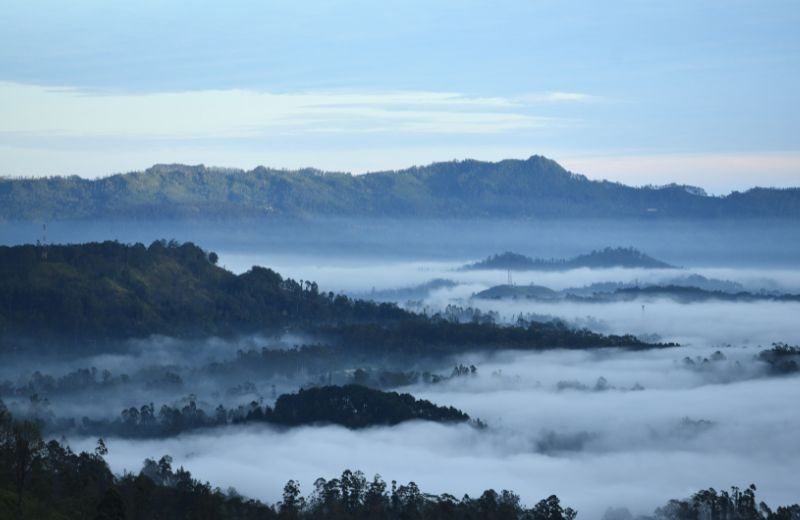
These months also suit the Cultural Triangle, where Sigiriya, Dambulla and the ancient cities are warm and largely dry. In the hill country, January to March often brings clear, crisp mornings, which is ideal for the Horton Plains hike and for tea plantation visits when the valleys are free of cloud.
April and May, a Season of Transition
April is hot and humid across much of the island, and it is also a festive time. The Sinhala and Tamil New Year falls in mid-April, when many families return to their home villages and some businesses close for a few days. It pays to plan transport and accommodation well ahead.
By May the south-west monsoon is usually gathering pace in the west and south, while the east coast begins to settle into its sunniest months. May also brings Vesak, the full-moon festival marking the birth, enlightenment and passing of the Buddha, when towns glow with paper lanterns and illuminated pandals.
June to September on the East Coast and in the North
When rain falls on the west, the east comes into its own, and for surfers the best time to visit Sri Lanka shifts to the middle of the year. Roughly April or May to September is the prime season for the east coast, with Arugam Bay drawing surfers from around the world and beaches to the north offering calm, clear water. The north, including Jaffna, is also generally drier in these months, making it a rewarding time for a boat trip to Delft Island and an unhurried look at Tamil culture and cuisine.
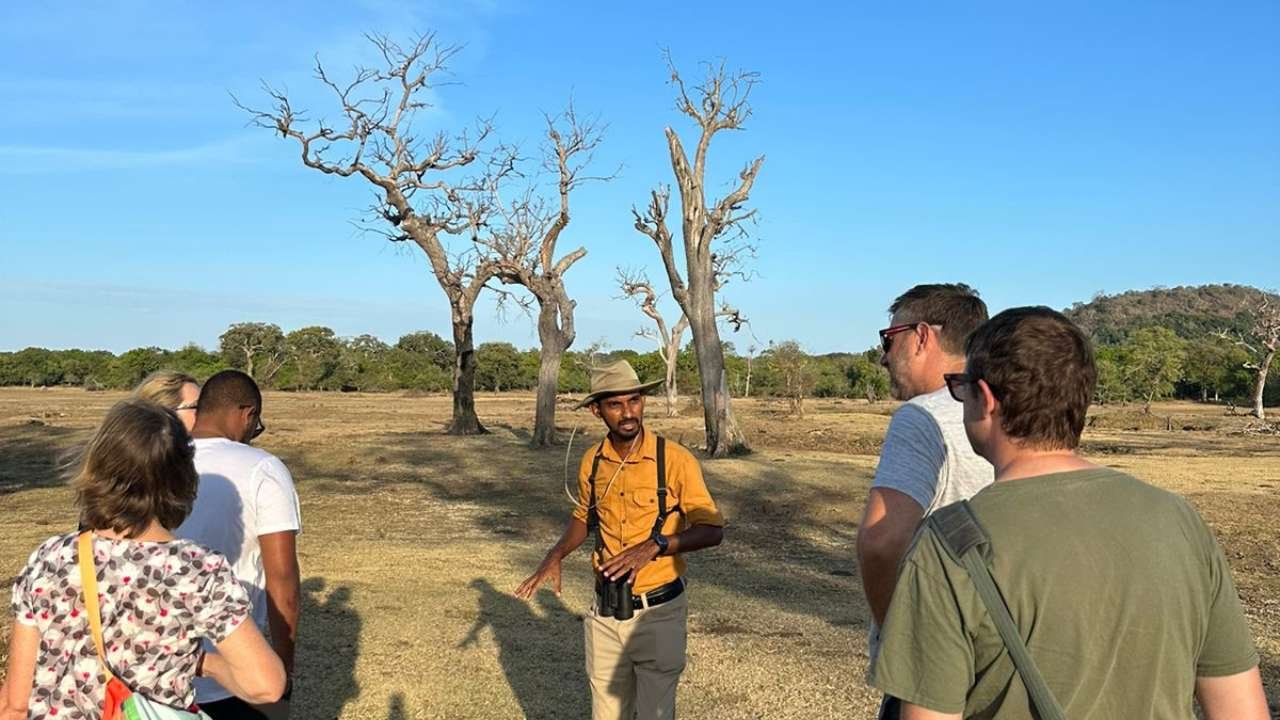
Inland, the dry season transforms the north-central plains. From roughly July to October, and usually peaking around August and September, elephants congregate around the shrinking reservoirs of Minneriya and Kaudulla in what is known as the gathering, one of Asia's great wildlife spectacles. Kandy's Esala Perahera, a procession of drummers, dancers and caparisoned elephants, also usually takes place around July or August. In the south, parts of Yala National Park usually close for some weeks around September to October, so check current arrangements before you book.
October and November, the Inter-Monsoon Months
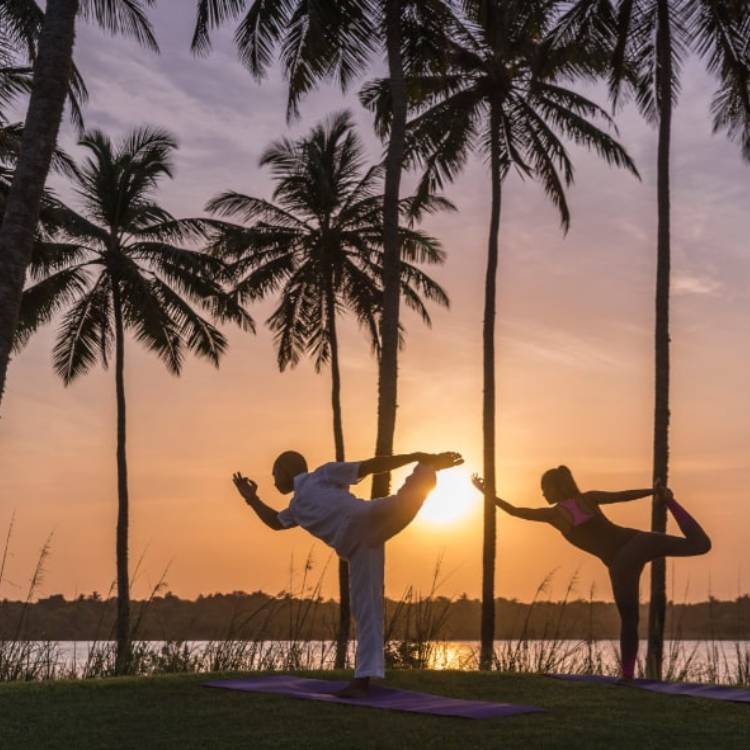
These are the least predictable months, with inter-monsoon showers possible almost anywhere. Yet they have real charm. The countryside is lush, rivers run full, and there are fewer visitors at the major sites. Wildlife remains rewarding in several parks, and the cooler, quieter atmosphere suits reflective journeys, such as time in a meditation centre or wellness retreat.
The Best Time to Visit Sri Lanka, Month by Month
- January and February: dry and bright on the west and south coasts, in the Cultural Triangle and often in the hill country.
- March and April: still good in the south and west, becoming hotter and more humid, with New Year celebrations in April.
- May and June: rain arrives in the south-west while the east coast and the north enter their best season.
- July and August: ideal for the east coast, the north and the elephant gathering at Minneriya and Kaudulla.
- September: the gathering often peaks, though parts of Yala may close, so check before planning a safari there.
- October and November: inter-monsoon showers island-wide, with green landscapes and quieter sites.
- December: the west and south coasts brighten again as the classic high season begins.
Practical Tips for Planning Around the Weather
- Pack Light Layers: bring breathable clothing for the lowlands and a warm layer for chilly hill-country mornings.
- Stay Flexible: leave a little slack in your plans so a rainy afternoon never derails the whole journey.
- Book Early in Peak Season: reserve popular lodges and villas well ahead for December to April and for major festivals.
- Check Park Arrangements: confirm national park openings and train timetables before you go, as they can change.

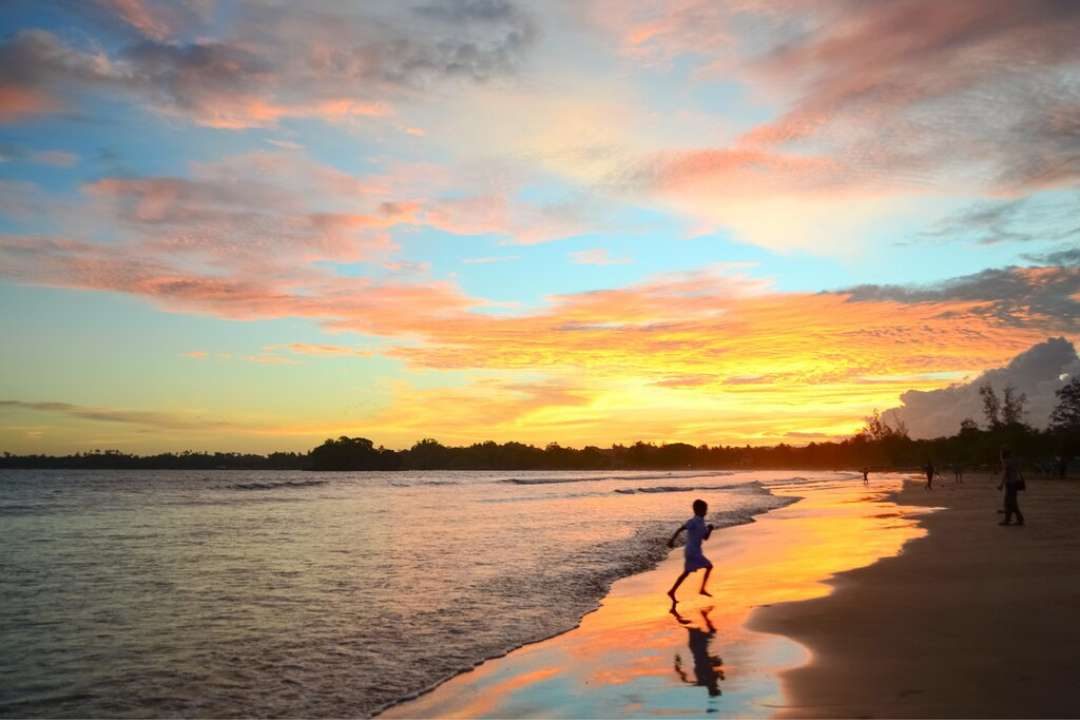
Whenever you decide to travel, the right route turns a good season into a great one. Experiential Traveller can shape a private, slow-paced journey around the months you have in mind, pairing the sunniest coast with the regions that suit the season, whether that is a Nature and Wildlife tour timed for the gathering or a Leisure and Heritage journey through the south. With the Build Your Own journey planner, a licensed English-speaking guide and a comfortable air-conditioned vehicle, the weather becomes one more thing you can simply enjoy.
Travel like this
Ashan can build the places in this story into a private, slow-paced journey — with a driver, a licensed guide and stays chosen for each region.

About the author
Ashan Wijetilleke
Founder of Experiential Traveller and a licensed National Tourist Guide, based in Colombo.
About Ashan