Few places reward a pair of binoculars quite like Sri Lanka. In a single journey you can watch flamingos sifting through a coastal lagoon, follow a flash of blue through the rainforest canopy and hear the dawn chorus rise over an ancient tank. Bird watching in Sri Lanka is a joy for serious birders and curious beginners alike, because the island combines a remarkable number of species with a compact size that makes very different habitats easy to reach.
More than 400 bird species have been recorded here, including a substantial group of endemics found nowhere else on earth. Add the migrants that arrive each year from the north, and the variety becomes extraordinary. This guide looks at what makes the island special, where to go and how to plan a slow, rewarding birding journey.
Why Sri Lanka Is a Birding Paradise
Sri Lanka's position at the southern tip of the Indian subcontinent, and its long isolation as an island, have given rise to a rich and distinctive birdlife. More than 30 species are generally recognised as endemic, although the exact figure varies as taxonomists revise their lists. Many more are endemic subspecies with their own local character.
The island's landscapes are equally varied. Lowland rainforest in the wet south-west, dry scrub and grassland in the north and east, montane forest in the central hills, and a coastline of lagoons, mangroves and salt pans all support different communities of birds. Moving between them, often within a few hours, is one of the great pleasures of bird watching in Sri Lanka.
Endemic Birds to Look For
For many visitors the endemics are the main attraction. The Sri Lanka junglefowl, the national bird, is widespread in forested parks and is often seen strutting along tracks. The Sri Lanka blue magpie, with its vivid blue plumage and chestnut head, is a prize sighting in the wet-zone forests. The Sri Lanka grey hornbill, the red-faced malkoha and the Sri Lanka hanging parrot are also high on many wish lists.
Some endemics are found mainly in the rainforest of the south-west, others in the highlands, so a route that takes in several habitats gives you the best chance of seeing a good number. A knowledgeable guide who recognises calls makes an enormous difference, as many forest birds are heard long before they are seen.
Anawilundawa and the North-West Wetlands
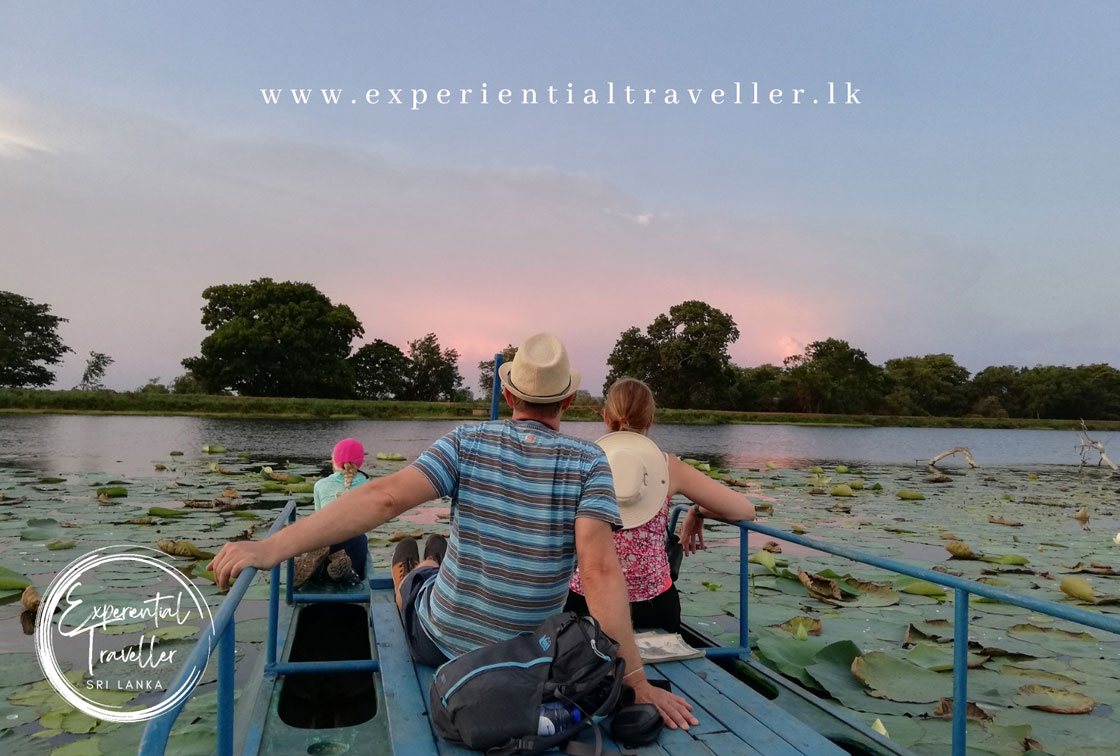
On the north-west coast, the Anawilundawa sanctuary is a series of ancient, interconnected tanks surrounded by paddy fields and scrub. It is recognised as a wetland of international importance under the Ramsar Convention, and it is a haven for waterbirds. Herons, egrets, cormorants, storks, purple swamphens and several species of kingfisher are commonly seen, and the tranquil setting makes it perfect for unhurried observation.
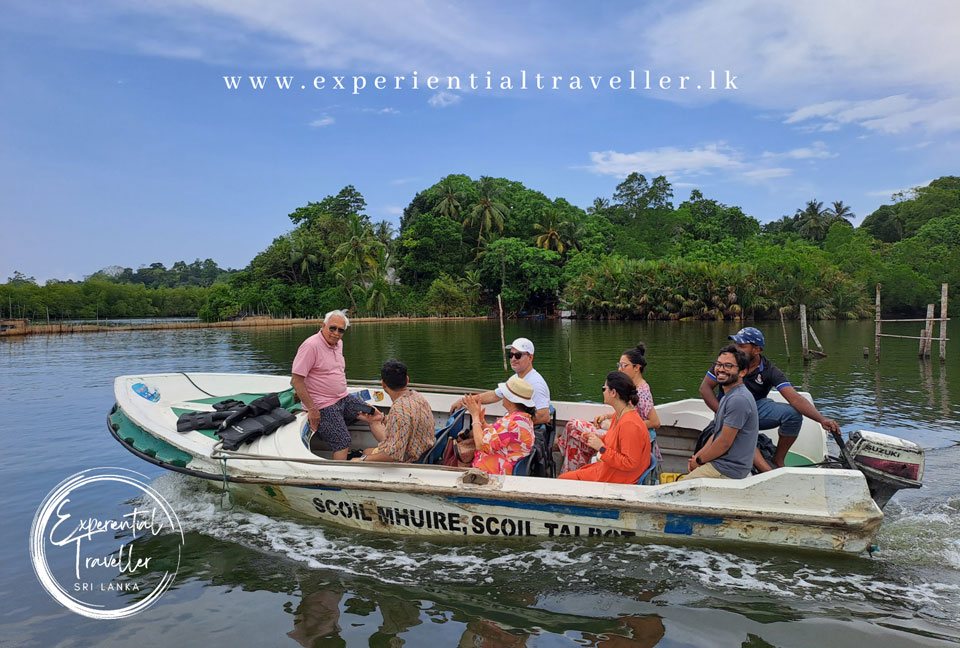
Further north, the Kalpitiya lagoon offers a different perspective. A boat ride through the lagoon and its mangroves brings you close to waders, terns and other shorebirds, and in the cooler months migratory species join the resident birds. It is a gentle, peaceful way to spend a morning, and it pairs well with time at Anawilundawa and with safaris in nearby Wilpattu.
Bundala and the Southern Lagoons
In the south, Bundala National Park is one of the island's finest birding destinations. It was the first site in Sri Lanka to be designated a Ramsar wetland, and its lagoons, salt pans and scrub attract vast numbers of resident and migratory birds. In the northern winter, when migrants arrive, greater flamingos are sometimes seen, alongside painted storks, spoonbills, stilts, sandpipers and plovers.
Bundala lies close to Yala, so it is easy to combine a leopard safari with a quieter morning devoted to birds. The open landscape makes viewing straightforward, and a patient jeep drive can produce an impressive list.
Sinharaja and the Rainforest
No account of bird watching in Sri Lanka would be complete without Sinharaja. This UNESCO World Heritage rainforest in the south-west is home to a large share of the island's endemic birds. Its most famous spectacle is the mixed-species feeding flock, a roving gathering of many different birds moving together through the forest, which can include blue magpies, babblers, drongos and malkohas.
Birding in the rainforest demands patience. The canopy is high, the light is dim, and birds can appear and vanish in moments. The wet south-west is at its most pleasant outside the south-west monsoon, which falls roughly between May and September.
When to Go
Resident and endemic birds can be seen year-round, but the richest period is usually from around October or November to March or April, when migrants from northern Asia and beyond are present. The monsoons shape conditions, with the south-west wetter roughly from May to September and the north and east wetter from around October or November to February or March. Planning around the weather helps you enjoy each habitat at its best.
Tips for Bird Watching in Sri Lanka
Whether you are a keen lister or simply love watching wildlife, a few simple habits will help.
- Start at Dawn: Birds are most active and vocal in the early morning, and the light is soft and clear.
- Invest in Good Binoculars: A decent pair makes a huge difference, especially in shaded forest and across open water.
- Wear Muted Clothing: Neutral greens and browns help you blend in and avoid disturbing birds.
- Carry a Field Guide: A regional bird guide or app helps you identify species and learn their calls.
- Move Slowly and Quietly: Patience is rewarded, particularly in the rainforest, where birds often reveal themselves gradually.
- Protect Against Leeches: In wet forest, leech socks are a sensible precaution.
Planning a Slow Birding Journey
The beauty of birding here is that it rewards taking your time. Rather than racing between sites, lingering in each habitat allows you to learn its sounds and rhythms and to notice the less obvious species.
Experiential Traveller offers bird watching at the Anawilundawa sanctuary, a Kalpitiya lagoon boat ride and safari jeep drives at Bundala, Wilpattu and other parks, all as part of private, slow-paced journeys with an air-conditioned vehicle, a professional driver and an English-speaking licensed tourist guide. The Nature & Wildlife tour is a natural fit, and the Build Your Own planner lets you design a route that follows the birds, from coastal wetlands to the forests of the south-west.
Travel like this
Ashan can build the places in this story into a private, slow-paced journey — with a driver, a licensed guide and stays chosen for each region.

About the author
Ashan Wijetilleke
Founder of Experiential Traveller and a licensed National Tourist Guide, based in Colombo.
About Ashan