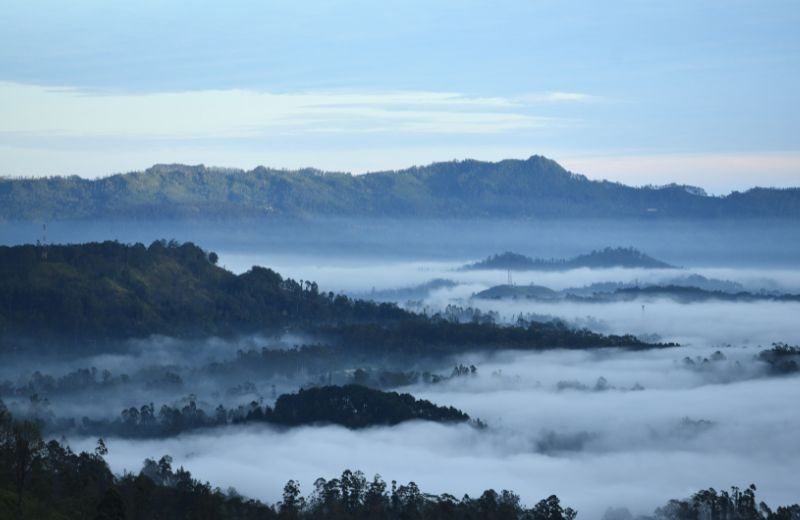
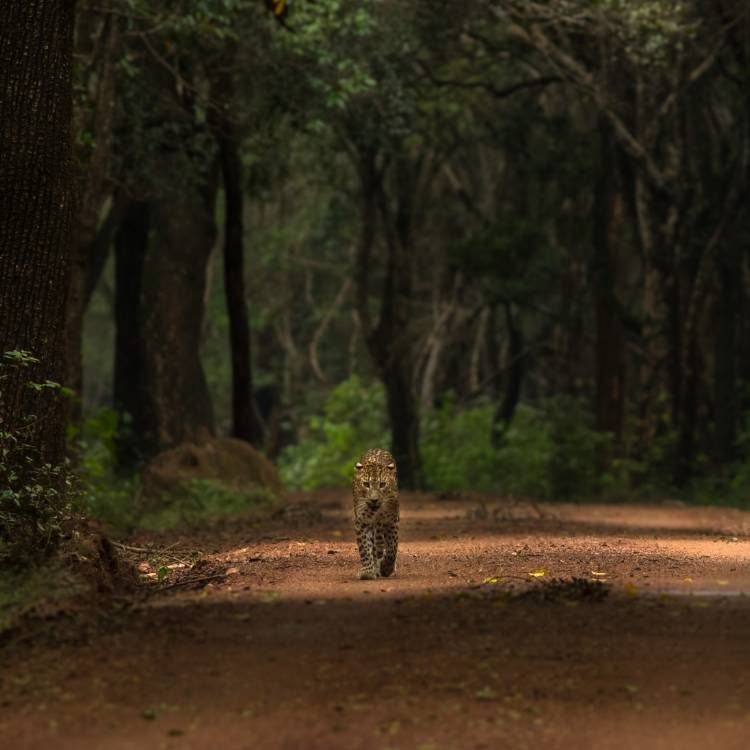
There is a particular hush that falls over a jeep when a leopard is close. Engines idle, cameras rise, and everyone watches a rocky outcrop where, a moment ago, there seemed to be nothing at all. A Yala National Park safari is built around moments like this, and few places in Asia offer them as reliably. Spread across the dry south-east of Sri Lanka, where scrub jungle meets lagoons, granite boulders and the Indian Ocean, Yala is the island's most celebrated wildlife park and one of the best places in the world to see a wild leopard.
Yet Yala is far more than a single headline animal. Elephants wade through shallow tanks, sloth bears shuffle between fruiting trees, crocodiles bask on muddy banks and the birdlife is extraordinary. This guide covers what to expect, how the park is organised, when to go and how to make the most of your time, so that your drives feel unhurried rather than rushed.
Why Yala Is Famous for Leopards
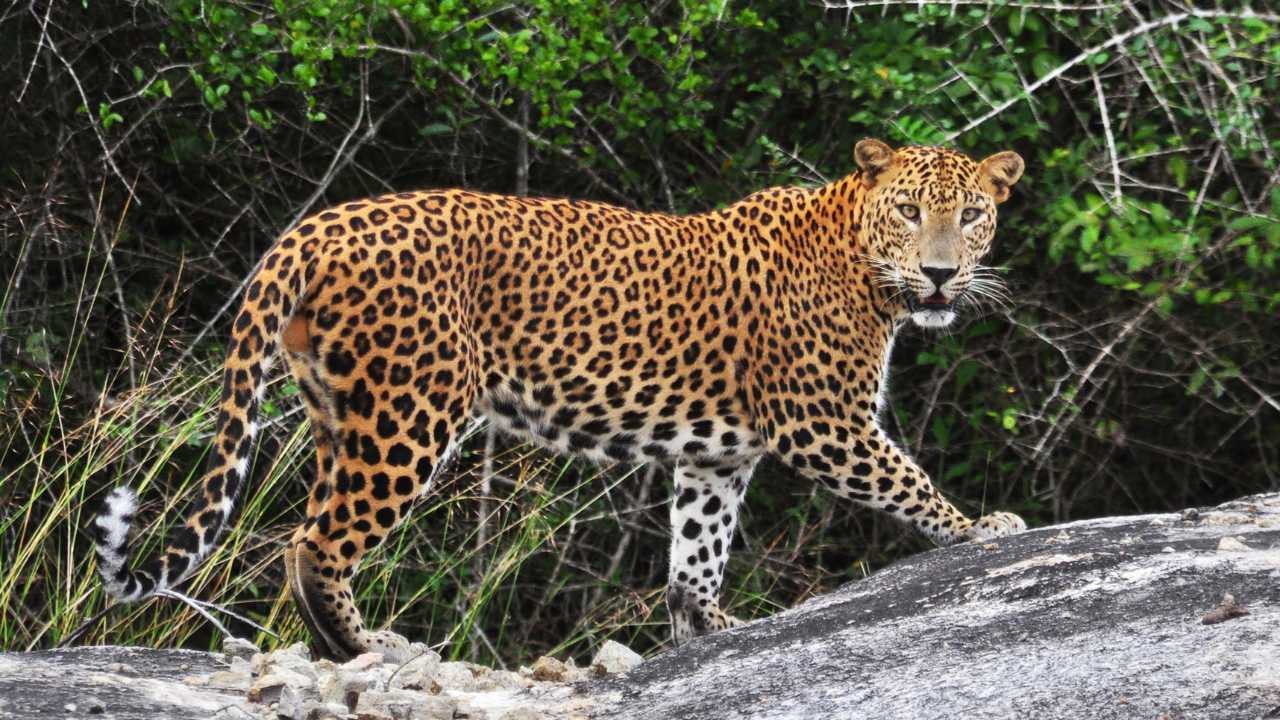
The Sri Lankan leopard is a distinct subspecies found only on the island, and with no tigers or lions to compete with, it sits at the very top of the food chain. That confidence shows. Leopards here are often seen in daylight, draped over rocks or strolling along sandy tracks, behaviour that is far rarer in parts of Africa and India.
The most visited section of the park is widely regarded as having one of the highest leopard densities recorded anywhere. That does not mean a sighting is guaranteed, and it never is with wild animals, but your chances are genuinely good, particularly with patience and more than one drive.
Beyond the Big Cat
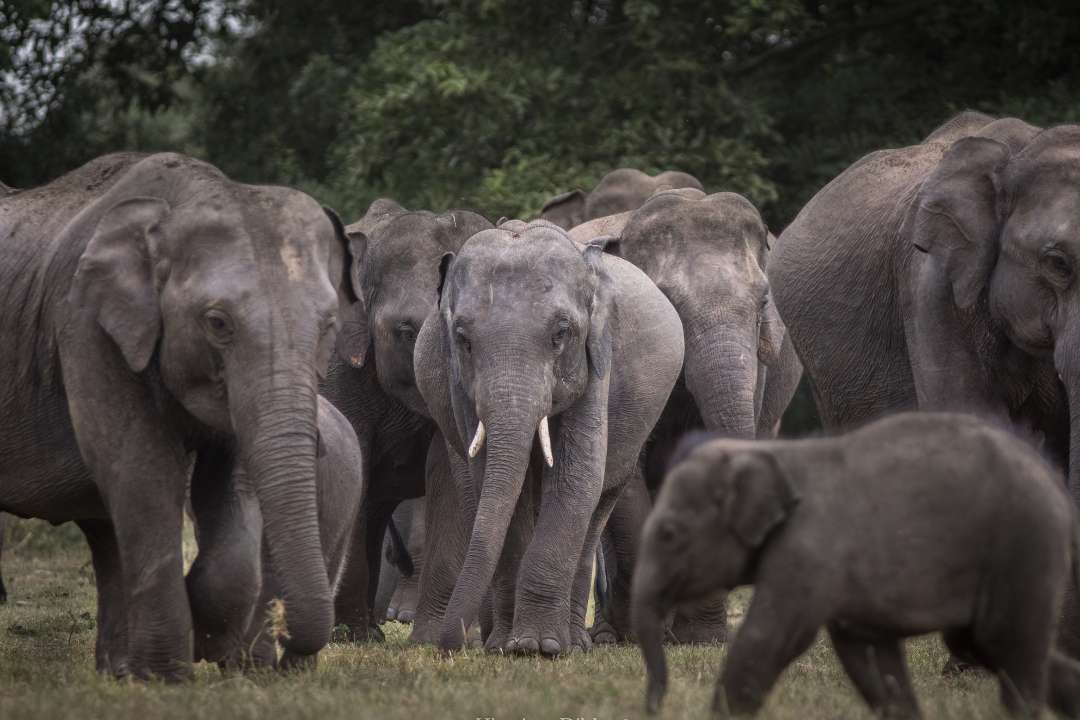
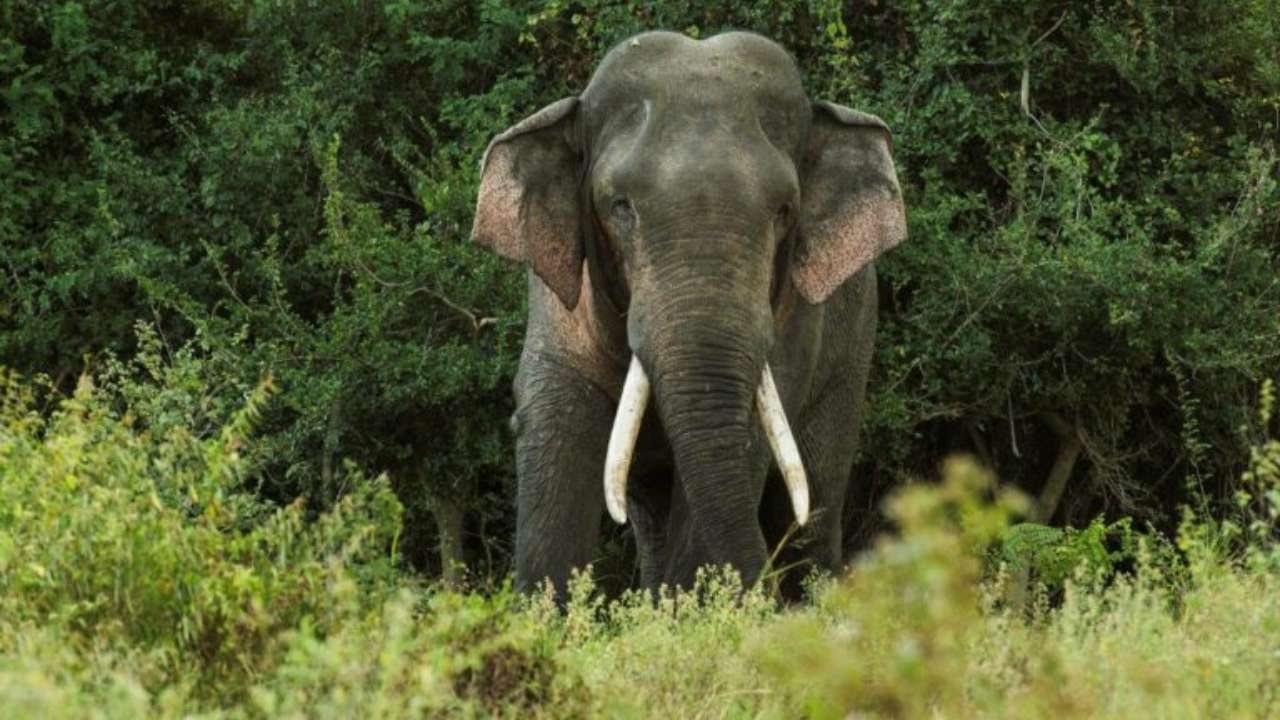
It would be a shame to spend a Yala National Park safari scanning only for spots. Asian elephants are common, especially around waterholes in the drier months. Sloth bears are shy but are seen most often when the palu trees are fruiting, typically around the middle of the year. Spotted deer, sambar, wild boar, water buffalo, golden jackal and mugger crocodiles are regular companions.
Birders will be kept busy too. Painted storks, lesser adjutants, crested serpent eagles, Malabar pied hornbills and flocks of bee-eaters are all part of the scene, and in the cooler months migratory waders gather on the lagoons.
How the Park Is Divided
Yala is large and is divided into several blocks or zones, not all of which are open to visitors. The first block, closest to the coast and the town of Tissamaharama, is the most popular, with the densest network of tracks and the best-known leopard territories. It can also be the busiest, with many jeeps converging on a sighting.
Other blocks and the neighbouring sections of the wider protected area are quieter and wilder, with fewer vehicles and a greater sense of solitude, though sightings can require more patience. A good guide will weigh up where recent activity has been, how crowded the main routes are likely to be and what you most want to see, and plan accordingly. Many travellers find that combining a drive in the popular block with one in a quieter area gives the best of both.
When to Visit Yala
Yala lies in the island's dry zone, and conditions are generally at their best during the drier months, roughly from February through to the early autumn. As water becomes scarce, animals concentrate around the remaining tanks and waterholes, which makes them easier to find. The landscape turns golden and dusty, and the light at either end of the day is superb.
Parts of the park usually close for some weeks each year, typically around September to October, to give the wildlife a rest during the driest period. Dates change from year to year, so always check the current situation before you plan your Yala National Park safari. The north-east monsoon brings rain from around November, turning the park lush and green. Wildlife is more dispersed then, but the scenery is lovely and there are often fewer visitors.
Morning Drives, Afternoon Drives and Full Days
Most safaris run in the early morning or the late afternoon, when animals are most active and the heat is gentler. Morning drives start before sunrise so that you are at the gate when it opens, and they are often considered the best time for leopards. Afternoon drives offer softer golden light and a good chance of elephants at the water.
A full-day drive, with a packed breakfast or lunch taken at a designated rest spot, lets you travel further and wait longer at promising places. It is tiring, but for photographers it can be the most rewarding option. Check current fees and gate arrangements before you go, as these are set by the wildlife authorities and can change.
Practical Tips for a Yala National Park Safari
A little preparation goes a long way.
- Book More Than One Drive: Wildlife is unpredictable, and two or three drives greatly improve your chances of memorable sightings.
- Dress in Muted Colours: Choose khaki, olive or beige clothing, and bring a light layer for the cool, breezy early mornings.
- Protect Against Dust and Sun: A hat, sunglasses, sunscreen and a scarf or buff make open jeeps far more comfortable.
- Bring Good Binoculars: Many of the best moments happen at a distance, from a bear in the undergrowth to a raptor on a dead branch.
- Stay Quiet and Seated: Keep voices low, never leave the vehicle, and resist urging your driver to crowd an animal.
- Respect the Rules: Do not feed wildlife or litter, and follow the directions of park staff and your guide at all times.
Beyond the Gate
Yala sits in a region rich in culture as well as wildlife. The ancient stupas of Tissamaharama, the pilgrimage town of Kataragama and the nearby Bundala wetlands, a haven for waterbirds, all reward a slower itinerary. An evening bush walk near the park is a lovely way to experience the sounds and smells of the dry zone on foot, away from the jeep tracks.
Experiential Traveller can weave Yala into a private, slow-paced journey, with an air-conditioned vehicle, a professional driver and an English-speaking licensed tourist guide who knows the park well. It features naturally in the Nature & Wildlife tour, pairs well with the South Coast regional experience, and can be shaped exactly as you wish through the Build Your Own planner, perhaps alongside Bundala, an evening bush walk and time on the beaches of the south.
Travel like this
Ashan can build the places in this story into a private, slow-paced journey — with a driver, a licensed guide and stays chosen for each region.

About the author
Ashan Wijetilleke
Founder of Experiential Traveller and a licensed National Tourist Guide, based in Colombo.
About Ashan