Ask Sri Lankan naturalists where to see wild elephants with the least fuss, and many will point you towards Udawalawe. Here, on the edge of the southern plains, open grassland and scrub stretch out around a great reservoir, and herds of Asian elephants graze in full view. Udawalawe National Park is one of the most rewarding wildlife destinations on the island, and it comes with a second, deeply moving attraction on its doorstep, the Elephant Transit Home.
Where Yala is famous for its leopards and Minneriya for its seasonal gathering, Udawalawe's great strength is consistency. Elephants are present throughout the year, the landscape is easy to scan and the park sits conveniently between the hill country and the south coast. This guide explains what to expect, when to go and how to combine a game drive with a visit to the calves being prepared for life back in the wild.
A Park Built Around a Reservoir
Udawalawe National Park lies on the boundary of the Sabaragamuwa and Uva provinces, in the island's dry zone. It was established in the early 1970s to protect the catchment of the Udawalawe reservoir on the Walawe river, and to give wildlife displaced by the reservoir's construction a place of refuge.
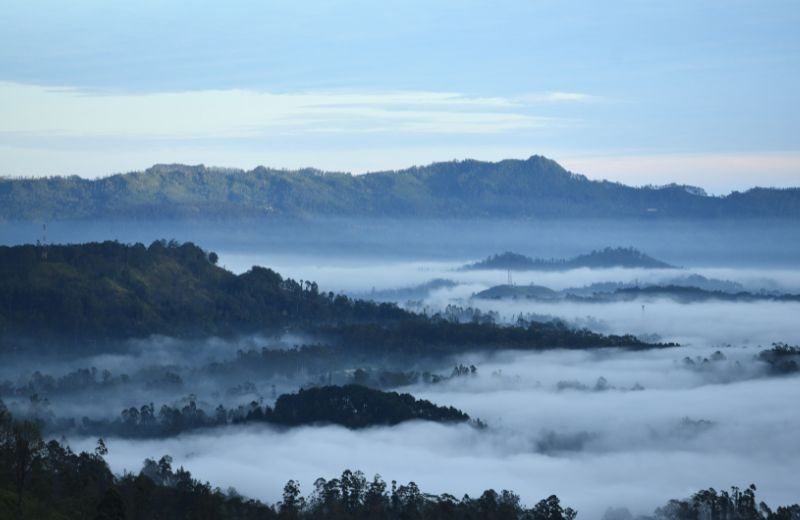
The result is a distinctive landscape. Wide stretches of grassland and low scrub, dotted with dead trees standing in the water, give way to patches of forest and the blue line of the hills beyond. Because the vegetation is relatively open, animals are easier to see than in denser parks, which makes Udawalawe ideal for first-time safari-goers and families.
Elephants at Udawalawe
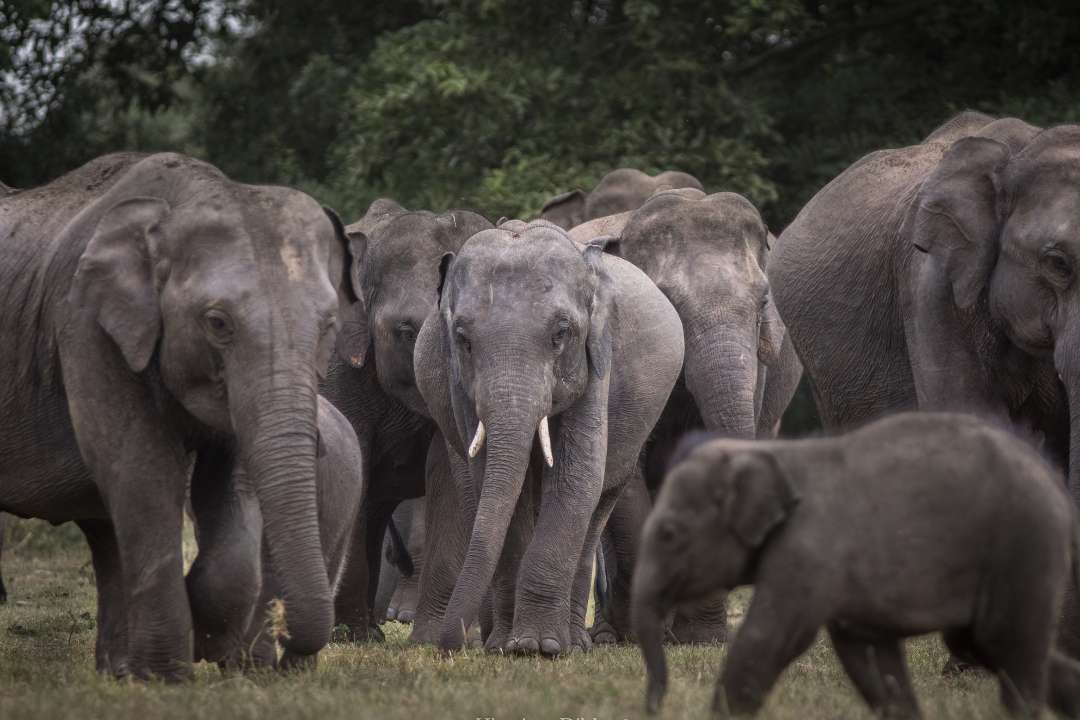
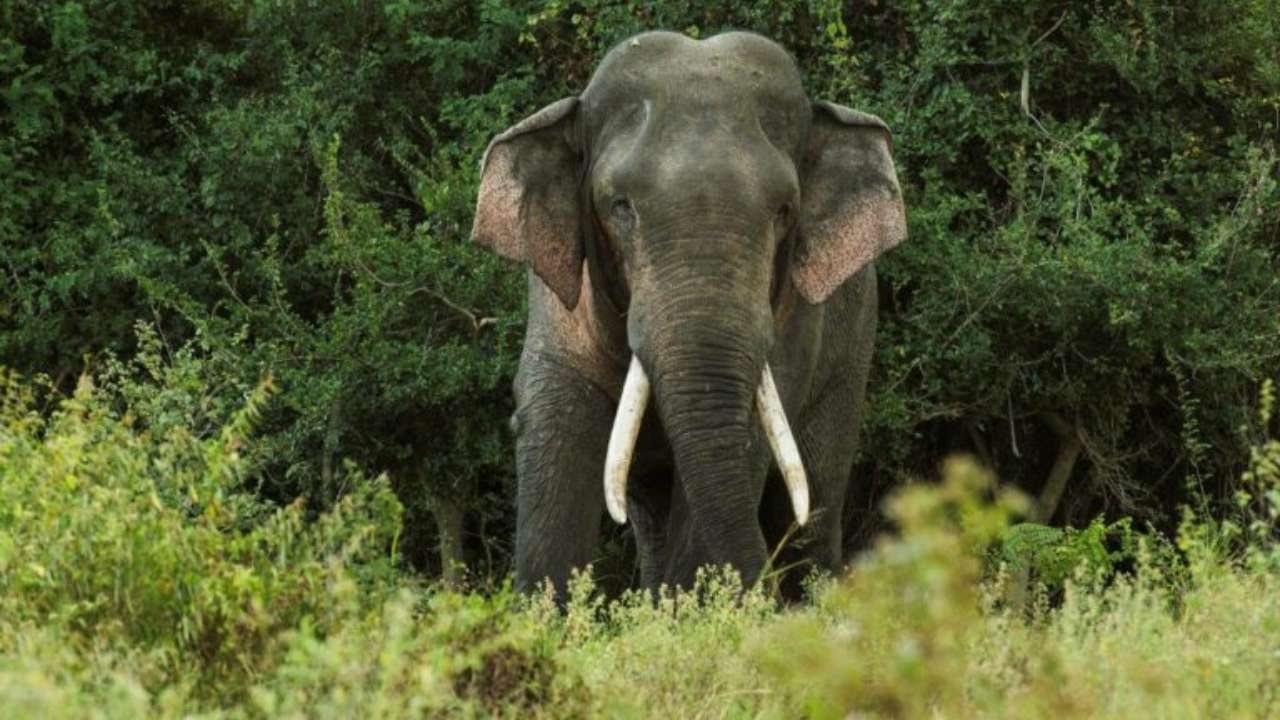
The park is home to a large, resident population of Asian elephants, and sightings on a game drive are very likely at almost any time of year. You may see family groups of females and young moving slowly across the grassland, calves sheltering beneath their mothers, and solitary bulls browsing at the forest edge or cooling off at the water.
Spending time with a herd, rather than hurrying on to the next sighting, is when Udawalawe comes alive. Watch how the matriarch leads, how youngsters test their strength against one another, and how the whole family gathers around the water to drink and bathe.
Other Wildlife and Birdlife
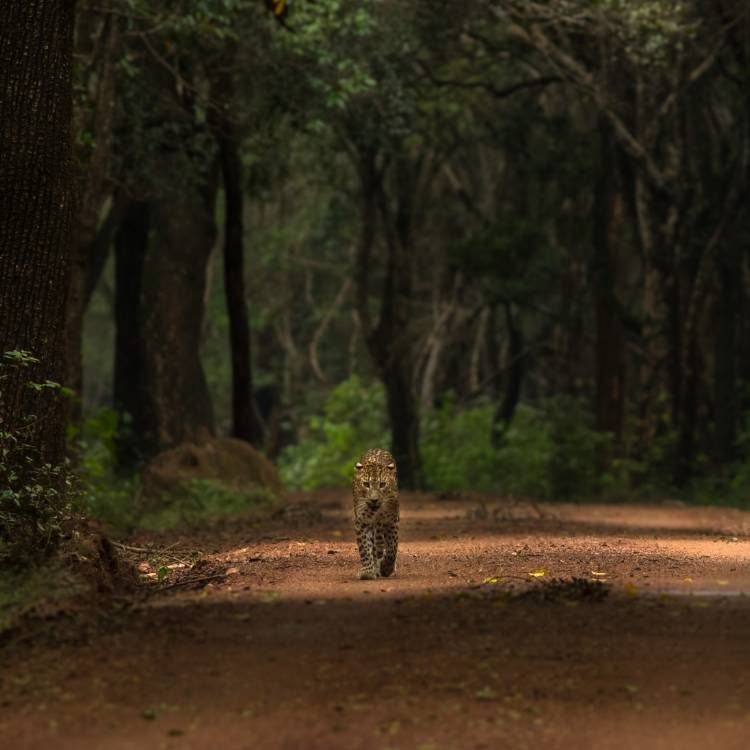
Elephants may be the headline, but Udawalawe National Park supports a wide range of other species. Water buffalo, spotted deer, sambar, wild boar and golden jackals are commonly seen, and mugger crocodiles bask along the banks of the reservoir. Leopards and sloth bears live here too, though they are seen far less often than in Yala.
The park is also excellent for birds. Crested serpent eagles, grey-headed fish eagles and white-bellied sea eagles are among the raptors, while the water attracts storks, herons, cormorants and kingfishers. Bee-eaters and the endemic Sri Lanka junglefowl add colour, and during the cooler months migratory species swell the numbers.
The Elephant Transit Home at Udawalawe National Park
Just outside the park, the Elephant Transit Home is run by the Department of Wildlife Conservation. It cares for orphaned and abandoned elephant calves, many of them found alone after losing their mothers, with the long-term aim of returning them to the wild. When the young elephants are old and strong enough, they are released, often into Udawalawe National Park itself.
Contact with people is deliberately kept to a minimum so that the calves do not become too used to humans. Visitors watch from a viewing area during scheduled feeding times, when the young elephants trot in eagerly for their milk. It is a charming sight, but also a sobering reminder of the pressures elephants face across Sri Lanka and of the dedicated work being done to protect them. Feeding times can change, so check the current schedule before you visit.
When to Visit Udawalawe
One of Udawalawe's great advantages is that it can be enjoyed year-round. It lies in the dry zone, and wildlife viewing is often particularly good in the drier months, when animals concentrate around the remaining water. After rain the grassland turns a vivid green and the park is especially photogenic.
Morning and late afternoon drives are the most comfortable and the most rewarding, as animals are more active and the light is softer. The midday sun here can be intense.
Tips for Your Visit
A little planning makes for a far more enjoyable day.
- Start Early or Go Late: Choose a morning or late afternoon drive for cooler air, better light and more active wildlife.
- Time It With Feeding: Plan your game drive around a feeding session at the Elephant Transit Home so that the two combine easily.
- Protect Yourself From the Sun: Bring a hat, sunglasses, sunscreen and plenty of water, as shade can be limited.
- Keep Your Distance: Give elephants plenty of room and never encourage your driver to crowd or chase an animal.
- Travel Light: A small bag, binoculars and a camera are all you need in an open jeep.
- Check Before You Go: Entry fees and arrangements are set by the authorities and can change, so confirm the current details.
Fitting Udawalawe Into Your Journey
Udawalawe sits in a convenient spot for many itineraries. It is a natural stop when travelling between the hill country around Ella and the beaches of the south coast, and it pairs well with time near Yala and Bundala further east. That makes it easy to include without long detours.
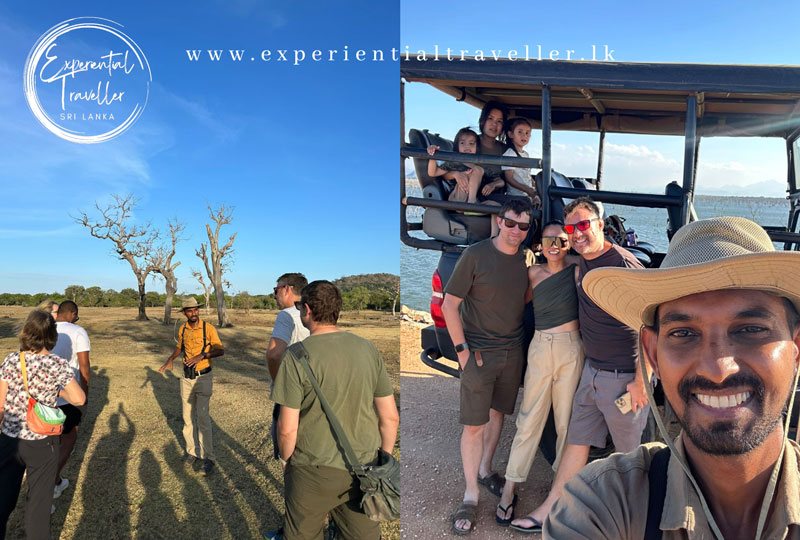
Experiential Traveller offers safari jeep drives at Udawalawe as part of private, slow-paced journeys with an air-conditioned vehicle, a professional driver and an English-speaking licensed tourist guide. Udawalawe National Park fits naturally into the Nature & Wildlife tour and can be combined with the South Coast regional experience, while the Build Your Own planner lets you shape a route that gives the elephants, both wild and orphaned, the unhurried time they deserve.
Travel like this
Ashan can build the places in this story into a private, slow-paced journey — with a driver, a licensed guide and stays chosen for each region.

About the author
Ashan Wijetilleke
Founder of Experiential Traveller and a licensed National Tourist Guide, based in Colombo.
About Ashan