For an island you can cross in a day, Sri Lanka packs in a remarkable range of wild places. Within a few hours' drive you can move from leopard country in the dry south-east to vast lakes where elephants gather in their hundreds, then climb to a misty highland plateau where sambar deer graze among the grasslands. Choosing the best national parks in Sri Lanka for safari depends on what you hope to see, when you are travelling and how much time you have.
Each park has its own character, its own seasons and its own rhythm. Some are famous for a single spectacle, others for their solitude or their birdlife. What follows is an overview of six of the finest, with a sense of what makes each special and how they might fit together on a slower, more considered journey.
Yala National Park
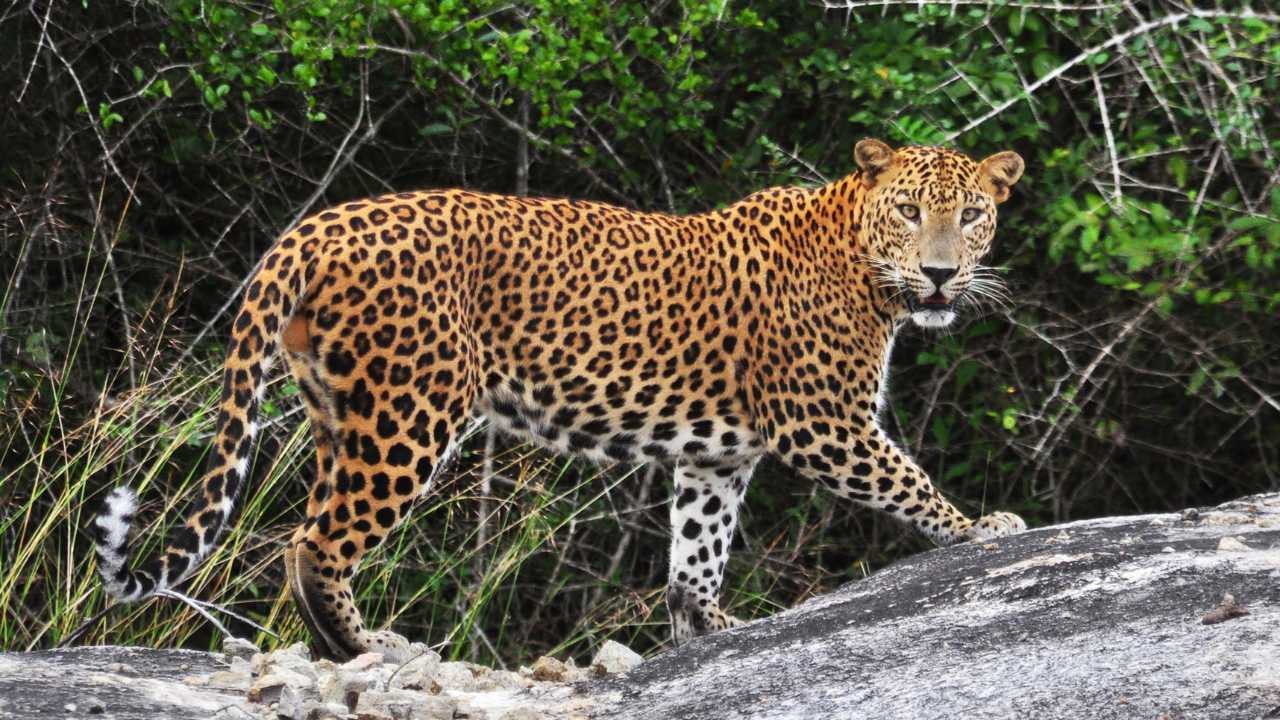
Yala is the country's best-known wildlife park and the one most associated with leopards. The Sri Lankan leopard is found only on the island, and here it is often seen in broad daylight, lounging on granite boulders or padding along sandy tracks. The park's most visited block is widely regarded as having one of the highest leopard densities in the world.
There is plenty more besides. Elephants, sloth bears, mugger crocodiles, spotted deer and water buffalo are regularly seen, and the coastal lagoons attract a wealth of birds. Yala can be busy in its most popular areas, so a thoughtful guide who knows the quieter routes makes a real difference. Parts of the park usually close for some weeks each year, around September to October, so check before you plan.
Wilpattu National Park
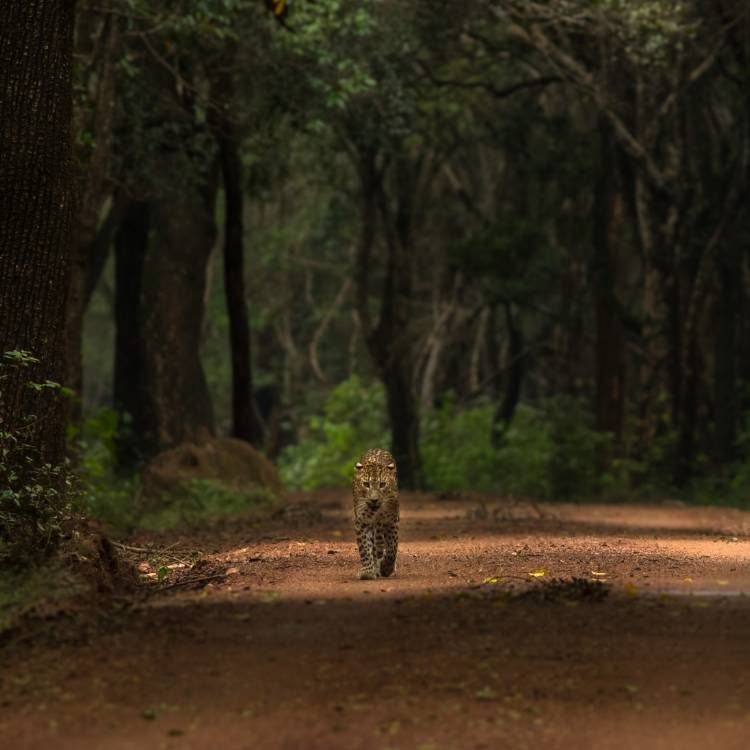
In the north-west, Wilpattu is Sri Lanka's largest national park and one of its most atmospheric. Its name refers to the many natural, rain-fed lakes, known as villus, that are scattered through dense forest. Game drives here feel wonderfully unhurried, with far fewer vehicles than at Yala and long stretches where you may not see another jeep at all.
Leopards live here too, alongside sloth bears, elephants, spotted deer and a rich variety of birds. Sightings can take more patience because the forest is thicker, but many travellers find that the sense of wilderness is its own reward.
Udawalawe National Park
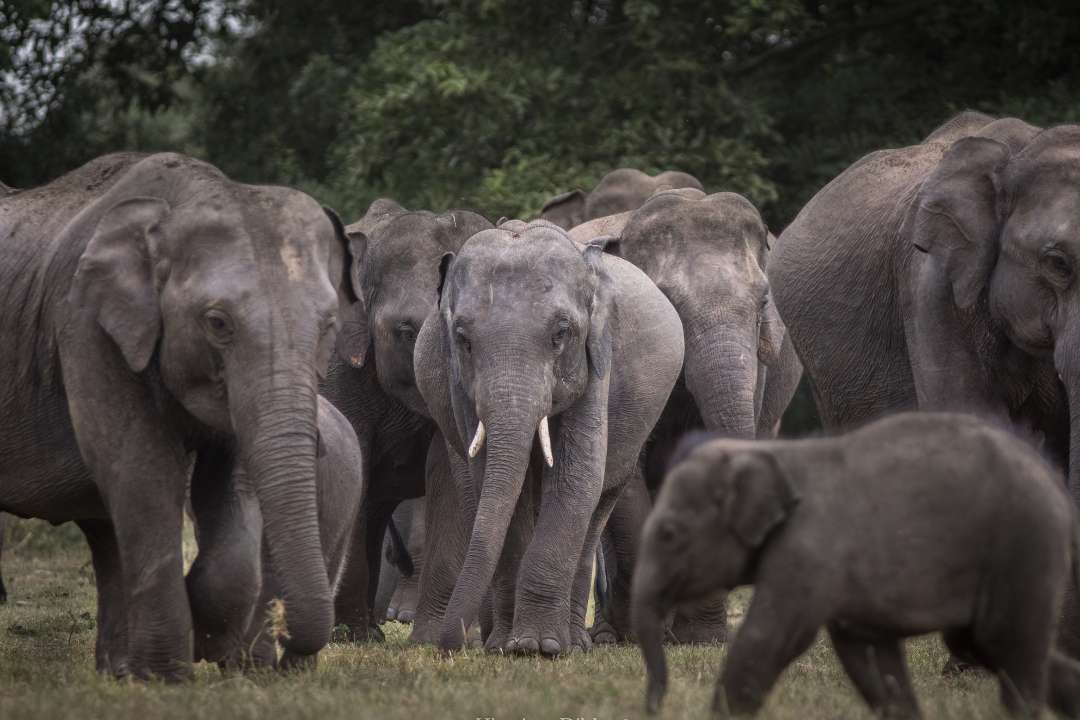
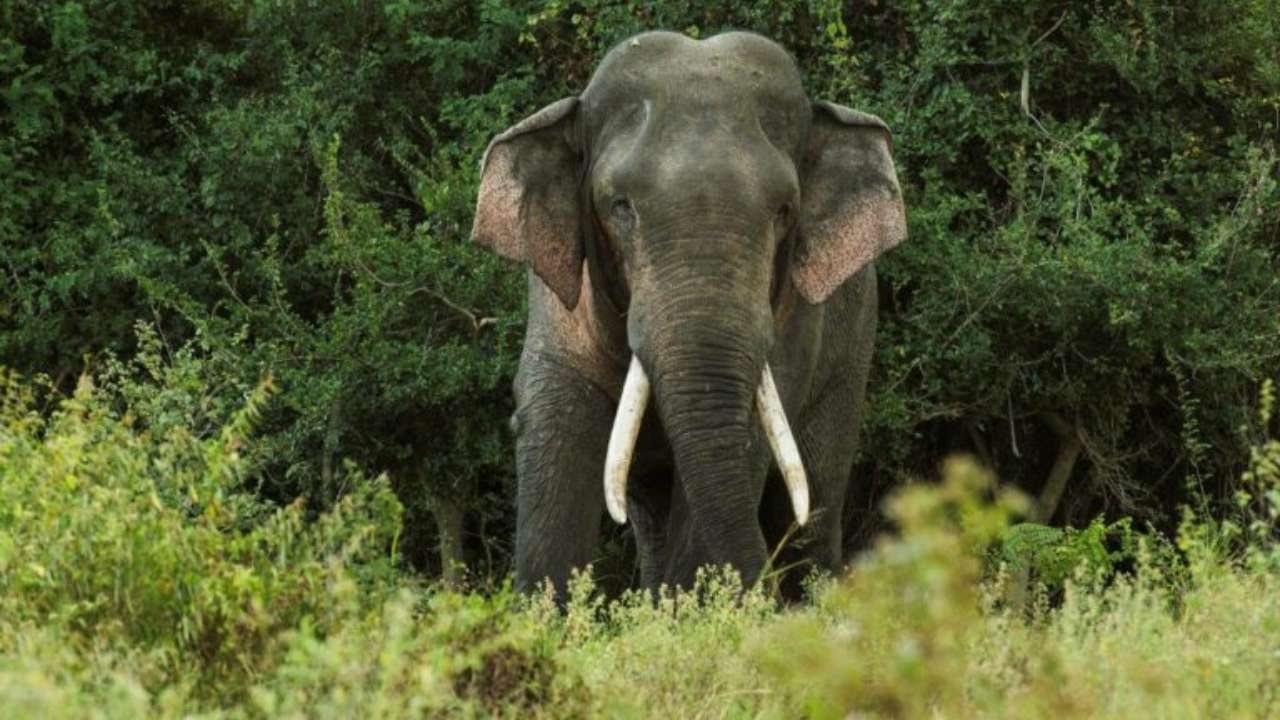
If elephants are your priority, Udawalawe is hard to beat. Set around a large reservoir on the edge of the southern plains, its open grassland and scrub make elephants easy to spot, and herds are seen year-round. Water buffalo, jackals, crocodiles and a wide range of raptors and waterbirds add to the variety.
Close to the park, the Elephant Transit Home cares for orphaned calves with the aim of returning them to the wild. It is a good place to learn about elephant conservation, and it combines neatly with a game drive.
Minneriya and Kaudulla
In the heart of the Cultural Triangle, the neighbouring parks of Minneriya and Kaudulla host one of Asia's great wildlife spectacles. As the dry season takes hold, roughly from July to October and peaking around August and September, water in the ancient reservoirs recedes, fresh grass sprouts on the exposed banks and elephants arrive from the surrounding forests. Herds of many dozens, sometimes hundreds, can gather in one place.
The elephants move between the two parks, and the nearby Hurulu Eco Park, depending on water and grazing, so local knowledge helps decide which to visit on a given day. These parks sit close to Sigiriya, the 5th-century AD rock fortress of King Kashyapa, making them easy to pair with some of the island's finest heritage sites.
Bundala National Park
Bundala, on the south coast not far from Yala, is a paradise for birdwatchers. It was the first site in Sri Lanka to be recognised as a wetland of international importance under the Ramsar Convention, and its lagoons, salt pans and scrub attract huge numbers of resident and migratory birds. In the northern winter, when migrants arrive, flamingos are sometimes seen in the lagoons along with a host of waders.
Because Bundala is smaller and quieter than its famous neighbour, it offers a calmer, more contemplative safari, and it pairs beautifully with a stay near Yala.
Horton Plains National Park
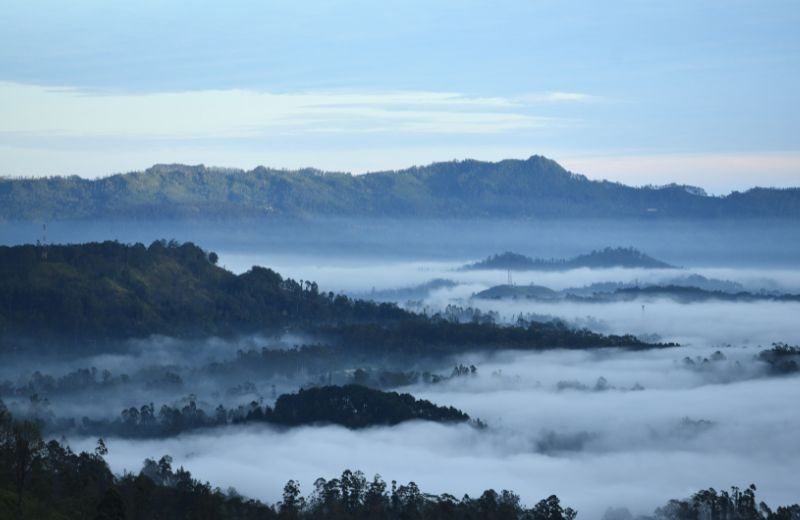
Horton Plains is a very different kind of wild place. High in the central hills, this windswept plateau of grassland and cloud forest is explored on foot rather than by jeep. A walking circuit leads to World's End, where the land drops away dramatically, and to the pretty Baker's Falls. Sambar deer are frequently seen, and the park is rich in endemic birds and plants.
Early starts are rewarded, as mist often rolls in later in the morning and hides the views.
Choosing the Best National Parks in Sri Lanka for Safari
No single park does everything, so the best national parks in Sri Lanka for safari are often best enjoyed in combination. A few pointers help.
- Leopards First: Prioritise Yala, and consider Wilpattu for a quieter experience with a sense of true wilderness.
- Elephants in Numbers: Aim for Minneriya or Kaudulla during the gathering season, or Udawalawe at almost any time of year.
- Birdlife: Bundala is outstanding, particularly when migratory species are present in the cooler months.
- Walking Rather Than Driving: Horton Plains suits travellers who want to stretch their legs in cool, high country.
- Check Before You Go: Fees, gate arrangements and seasonal closures change, so confirm the current details shortly before travelling.
- Allow Time: Two or more drives in one park are usually more rewarding than rushing between several.
Planning a Slower Safari Journey
The monsoons shape any itinerary. The south-west monsoon, roughly May to September, brings rain to the west, south and hill country, while the north-east monsoon, roughly from October or November to February or March, affects the east and north. Most of the best national parks in Sri Lanka for safari lie in the dry zone and are generally at their best in their drier months, when wildlife concentrates around water.
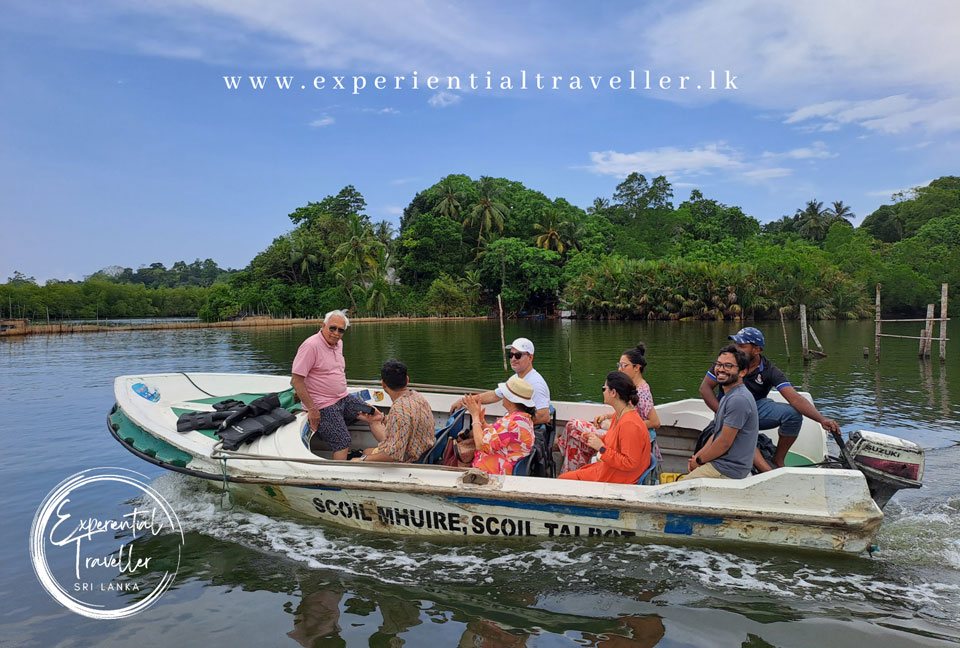
Experiential Traveller runs safari jeep drives at Wilpattu, Yala, Bundala, Udawalawe, Minneriya, Kaudulla and Hurulu Eco Park, as well as hikes at Horton Plains, all as part of private, slow-paced journeys with an air-conditioned vehicle, a professional driver and an English-speaking licensed tourist guide. The Nature & Wildlife tour brings many of these parks together, while the Build Your Own planner lets you combine the ones that matter most to you at a pace that leaves room to linger.
Travel like this
Ashan can build the places in this story into a private, slow-paced journey — with a driver, a licensed guide and stays chosen for each region.

About the author
Ashan Wijetilleke
Founder of Experiential Traveller and a licensed National Tourist Guide, based in Colombo.
About Ashan